
17 BEST Things to Do at Mount Rainier (Non-Hikers Too!)


Looking for things to do in Mount Rainier National Park?
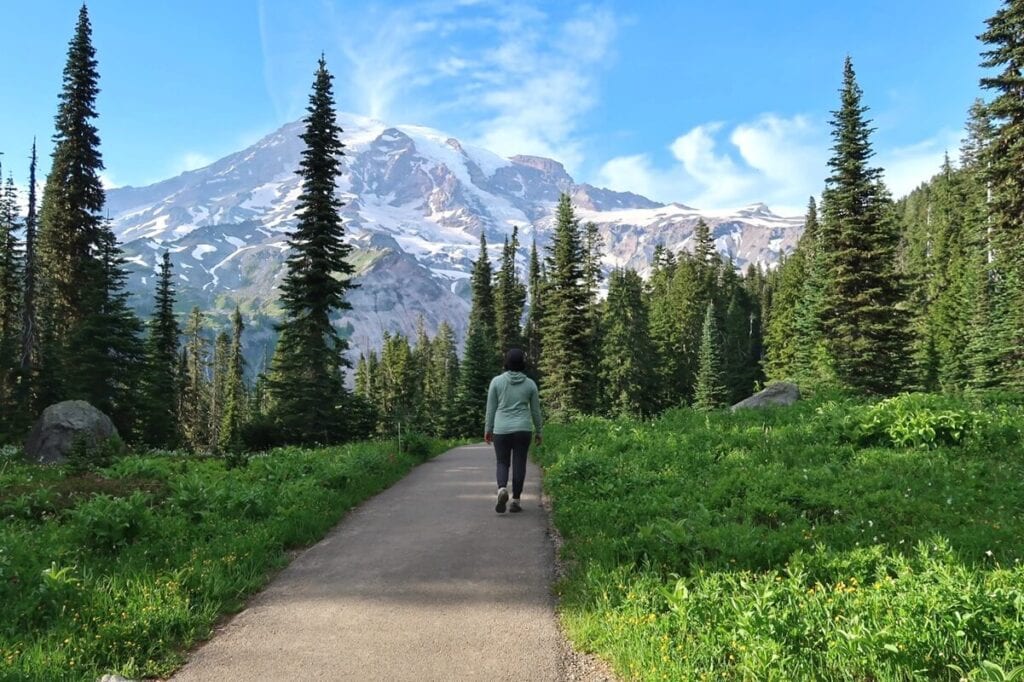
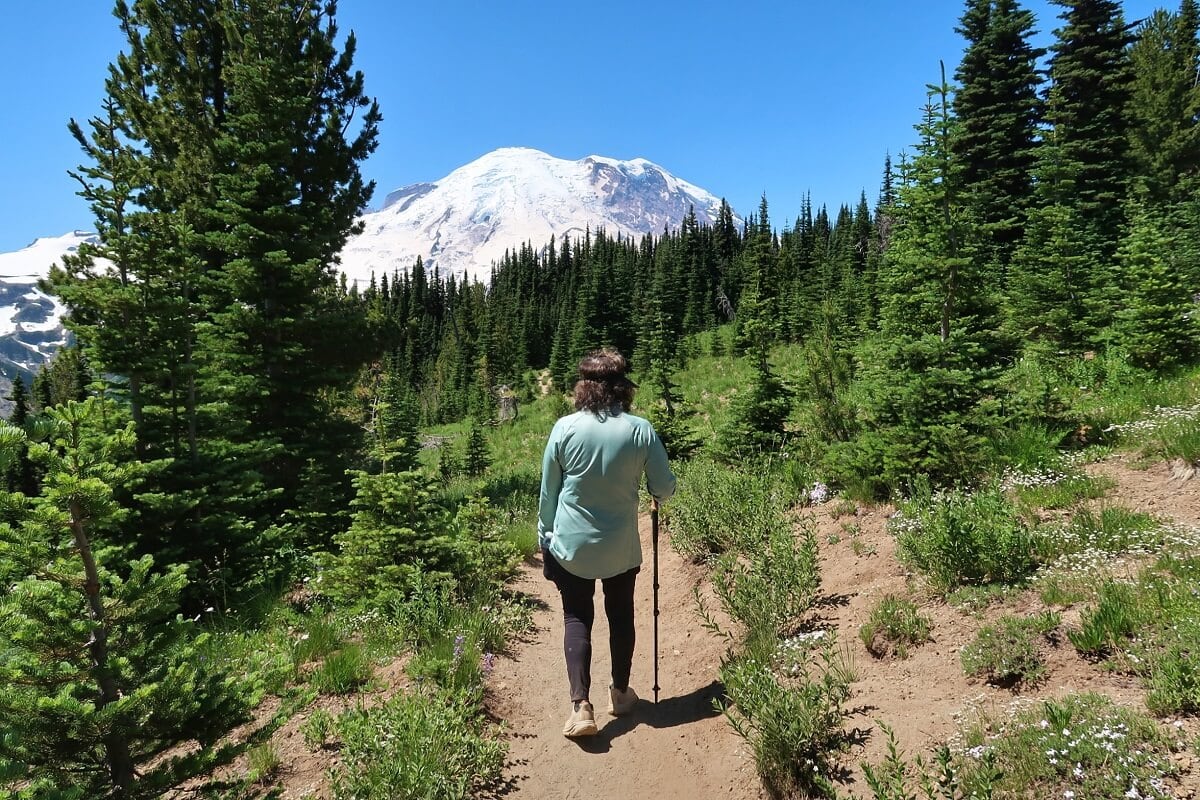
I’ve experienced more mountain magic here than anywhere else, but one moment I’ll never forget is seeing my mom double-fist pump with joy after we finished the easy Sunrise Nature Trail.
In just 1.5 miles, with Rainier commanding our view, we hiked through stunning subalpine landscapes, crossed snow patches, gazed at panoramic vistas, and delighted in wildflowers.
As a local who visits the park 6-8 times per year, I’ve learned that while you come for the Mountain, you stay for its extraordinary nature—meadows, waterfalls, glacier-fed rivers, and more.
➥ I’ll share the 17 best Mount Rainier attractions for first-time visitors, featuring activities for all seasons and even a bonus stop at Rainier BaseCamp just outside the park.
You’ll also find packing tips, answers to common questions, and my favorite places to stay in Ashford and Packwood—the two best towns for visiting Rainier.
Let’s go!

Top 3 Things to Do at Mount Rainier
All three experiences are available in Paradise, the visitor area with the most amenities and is best for first-time visitors planning a Mount Rainier trip.
- Hike the Paradise Meadows – I used to say you needed to hike the Skyline Loop Trail, but the truth is, you don’t. After traveling with my family, there was no way my parents could do the entire trail, and they left having had an incredible day. Now I say, hop on any trail starting from the Muir Steps near the Paradise Visitor Center, and you’ll have a remarkable experience.
- See Wildflowers in Bloom – As a local, I make weekly trips to Rainier from mid-July to mid-August just to see the wildflowers—obsessed with catching them at peak bloom. They line the main roads and parking lots, so you don’t have to hike to see them.
- Marvel at Waterfalls – Christine Falls and Narada Falls are accessible year-round from Paradise Road, but microspikes helped on my winter trip. When the weather turns, I pivot to explore Mount Rainier’s waterfalls. Last year, I hiked to Comet Falls on my birthday in steady rain while avalanche lilies lined the trail.
While Paradise is a fantastic starting point, the park has four other distinct areas to explore.

get clarity & confidence
Stop second-guessing your itinerary.
Let’s build a custom trip that gets you the most from your time and money.
Mount Rainier National Park’s five regions:
- Longmire/Southwest (Nisqually Entrance): Home to the Longmire Museum and the National Park Inn. I drove past it to get to Paradise many times without a second thought until my first stay at the inn. I left regretful that I hadn’t experienced its history, forest trails, and river views sooner.
- Paradise/South (Nisqually or Stevens Canyon Entrance): Where I fell in love with this national park! Rainier’s Paradise area is famous for its wildflower meadows, the impressive Henry M Jackson Visitor Center, and historic Paradise Inn. You’ll find plenty of dining options and outdoor and indoor spaces to relax between hikes, making it perfect for groups with seniors and children.
- Ohanapecosh/Southeast (Stevens Canyon Entrance): Features lowland forests, old-growth trees, waterfalls, and the Ohanapecosh Campground (closed until early summer 2026). This area is farthest from Seattle and Portland, so trails aren’t congested, even on summer weekends.
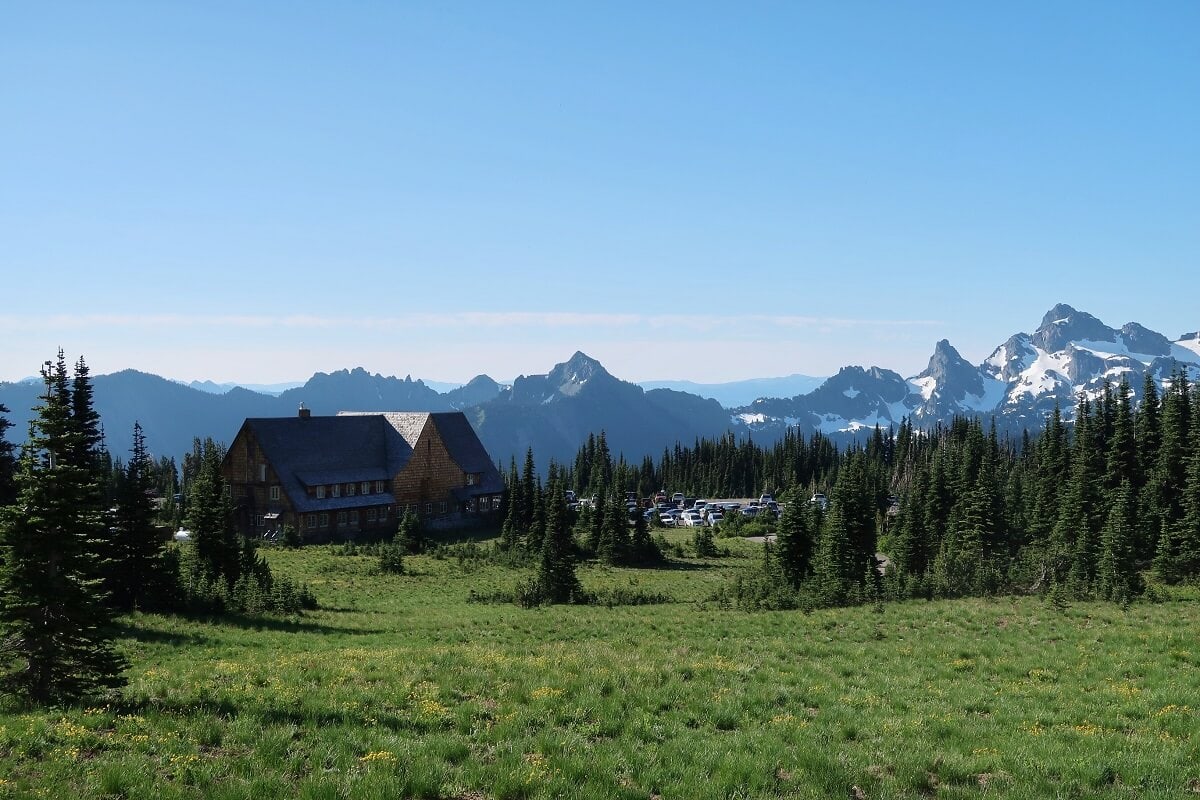
- Sunrise/Northeast (White River Entrance): Offers the highest drivable point in the park, with unbeatable sunrise views. I pulled over on my first drive in, amazed by how close the Mountain felt. Even though it’s the second busiest area during peak season, it feels much more relaxed than Paradise.
- Carbon River/Northwest (Carbon River Entrance): Home to Mowich Lake and the park’s temperate rainforest, this area is typically quiet due to its rough roads, but it’s currently closed.
Longmire and Paradise are open year-round, though the road to Paradise closes in winter when conditions are too icy. Always check road and park alerts before your trip.
Timed Entry: The National Park Service announced that Timed Entry Reservations are not required in 2026.
🧭 Planning Your Trip
Mount Rainier changes dramatically by season. Wildflowers, snow, crowds, road access, and even visibility all look different depending on when you go.
I walk through what each season is really like, how to plan around crowds, and what to expect when you’re visiting in my guide to the best time to visit Mount Rainier.
17 Must-Do Attractions & Activities at Mt Rainier
After dozens of visits, I’ve learned these 17 experiences are what make Rainier unforgettable. Here’s how to make them work for your trip.
1. Hike Iconic Trails
Mount Rainier National Park boasts 240 miles of hiking trails, but what makes a trail iconic?
Day hikes that showcase the park’s dominant peak, blue-tinged glaciers, vistas, wildflower meadows, and plunging waterfalls are at the top of the list.
Paradise
Everyone says to hike the Skyline Loop Trail for good reason. My jaw dropped the first time I saw the Tatoosh Mountains and Mount Adams in the distance.
If you don’t want to hike the loop, you only need to walk 0.5 miles along the Skyline Trail to reach Edith Creek and Myrtle Falls, two must-see stops.
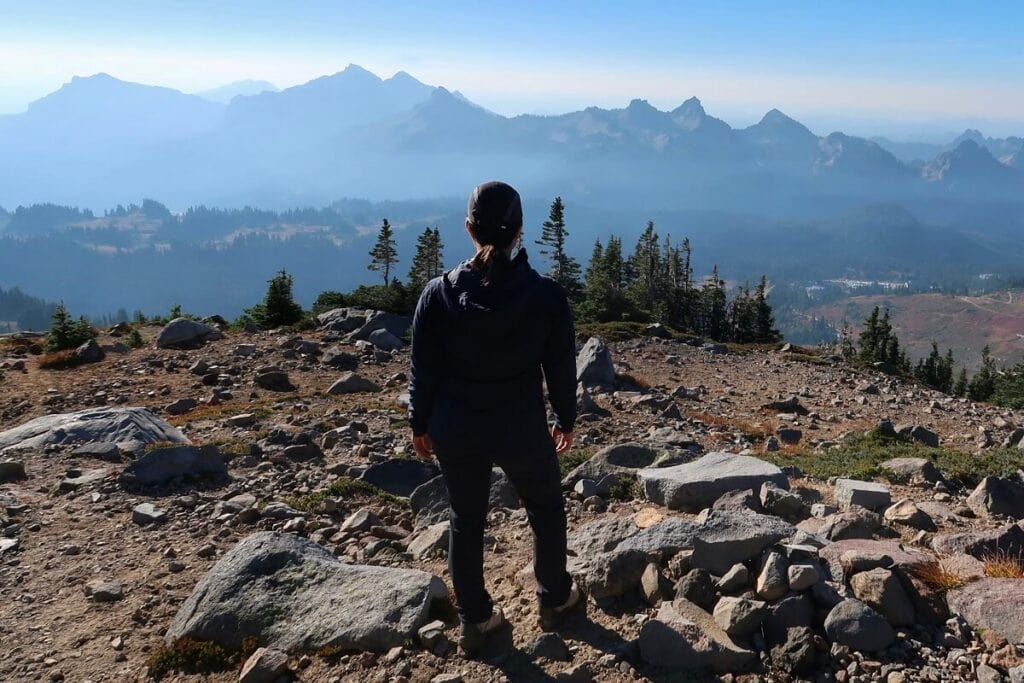
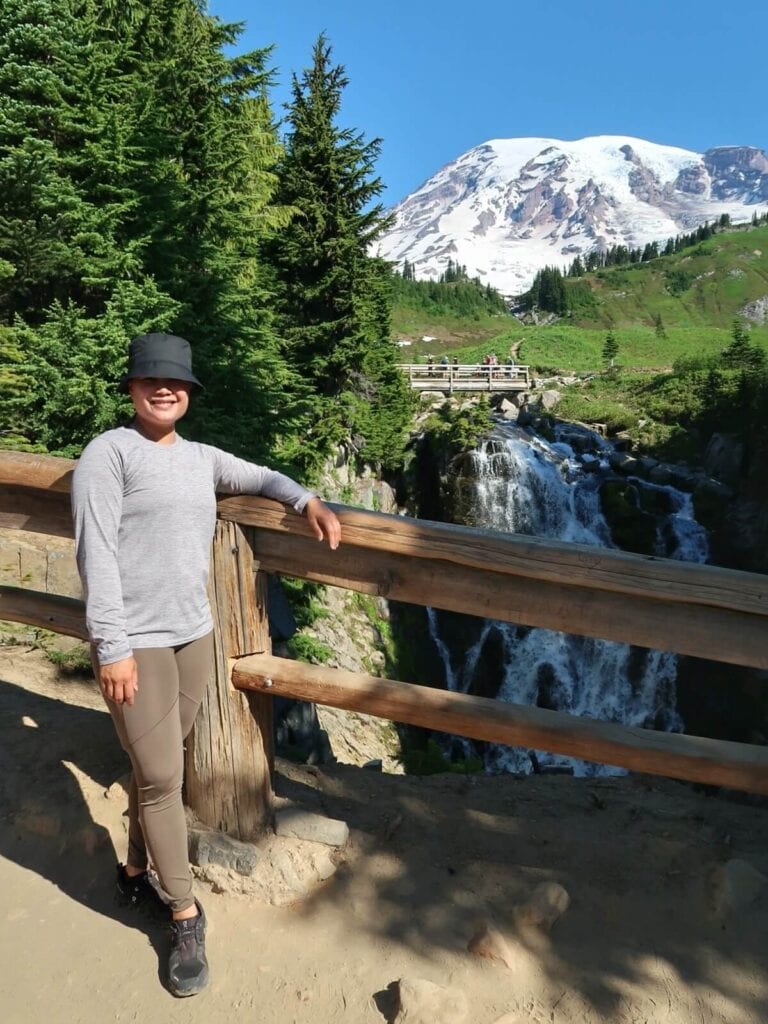
If you’re up for a challenge, break off the Skyline Trail to hike up to Camp Muir. Getting to 10,000 feet changed my life. Within a year, I was back at Muir for my first summit attempt with RMI.
Sunrise
The Burroughs Mountain Trail delivers the best view in the entire park, while the Naches Peak Loop off Chinook Pass offers an easier option with dramatic mountain and lake scenery.
The best hikes in Mount Rainier extend beyond these two popular areas.
- Gobbler’s Knob in Longmire provides views of the North Cascades and the Olympics.
- Tolmie Peak in Carbon River is beloved by locals for its stunning panorama of the Mountain from an old fire lookout.***currently closed
Best Time for Iconic Hikes: Year-round hiking is available at lower elevations, but subalpine trails are generally snow-free from mid-July through mid-October
2. See Wildflowers
Picture this: purple lupine and scarlet paintbrush swaying in the wind while yellow arnicas line the trail, creating a symphony of color that seems to never end.
People fly across the world to see it, but living nearby means I get to chase peak color week after week.
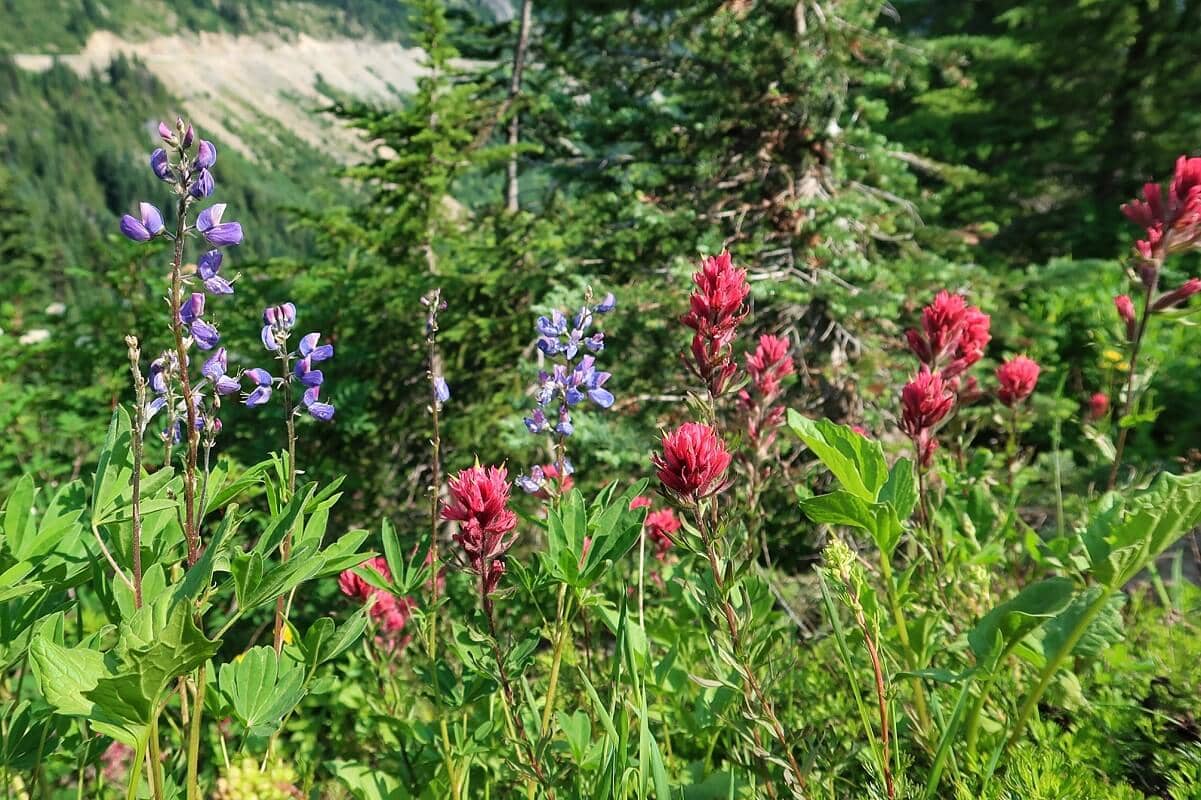
Wildflowers blanket roadsides, parking lots, visitor centers, slopes, and trails, filling expansive meadows with vibrant color.
Best Spots for Wildflowers
- Longmire: Hike to the remarkable meadows of Indian Henry’s Hunting Ground, named after a Native American who guided early explorers on Rainier’s trails.
- Paradise: Walk past Edith Creek on the Skyline Trail or hike the Deadhorse Creek Trail or the short, easy Nisqually Vista Trail.
- Sunrise: Explore Berkeley Park or the less challenging Silver Forest Trail and Sunrise Nature Trail.
Chinook Pass Trails (near Sunrise)
For stunning wildflower meadows without needing to enter through a park entrance, head to Tipsoo Lake and Little Tipsoo Lake—no strenuous hiking required.
If you want to hike one of the Mountain’s best, don’t skip Naches Peak Loop. I hiked it at peak bloom in late July and couldn’t go 20 feet without stopping to take photos. It was one of the best hikes of my summer.
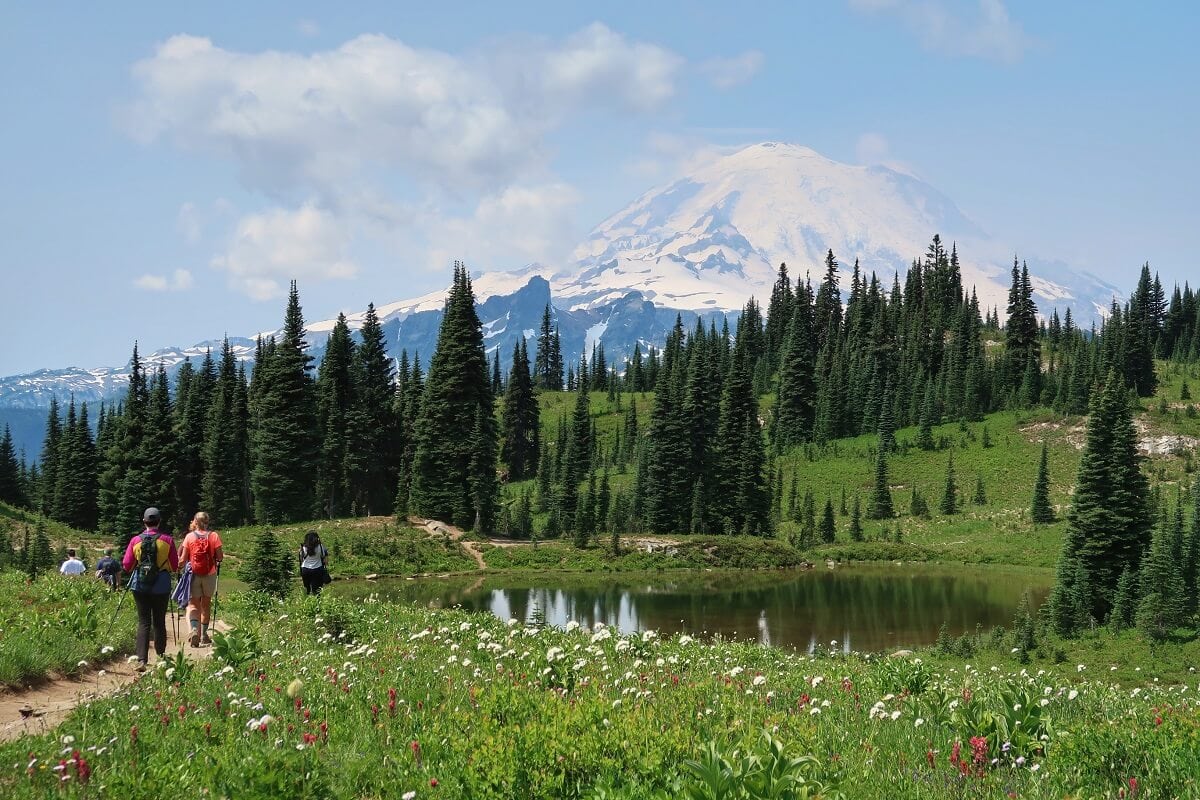
Best Time to See Wildflowers: Mid-July to early August, though late July visits have never disappointed me.
3. See In-Your-Face Views of the Mountain
Driving on Sunrise Road for the first time, I had to pull over, mesmerized by how close the Mountain felt! The European tourists behind me did the same, and we shared a moment of awe.
Sunrise
Stop at the Sunrise Point Overlook before reaching the visitor center for excellent mountain views that don’t require hiking.
From the Sunrise Visitor Center, Mount Rainier dominates the skyline, and the trails from Sourdough Ridge pull you even closer to its glaciers and ridges.
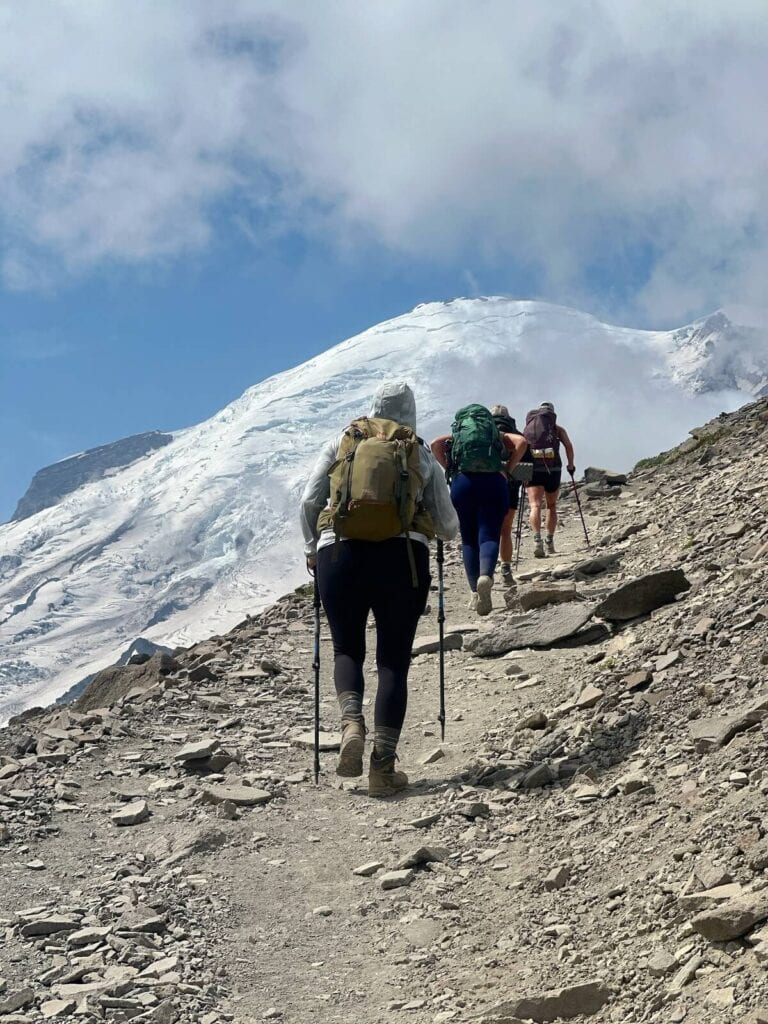
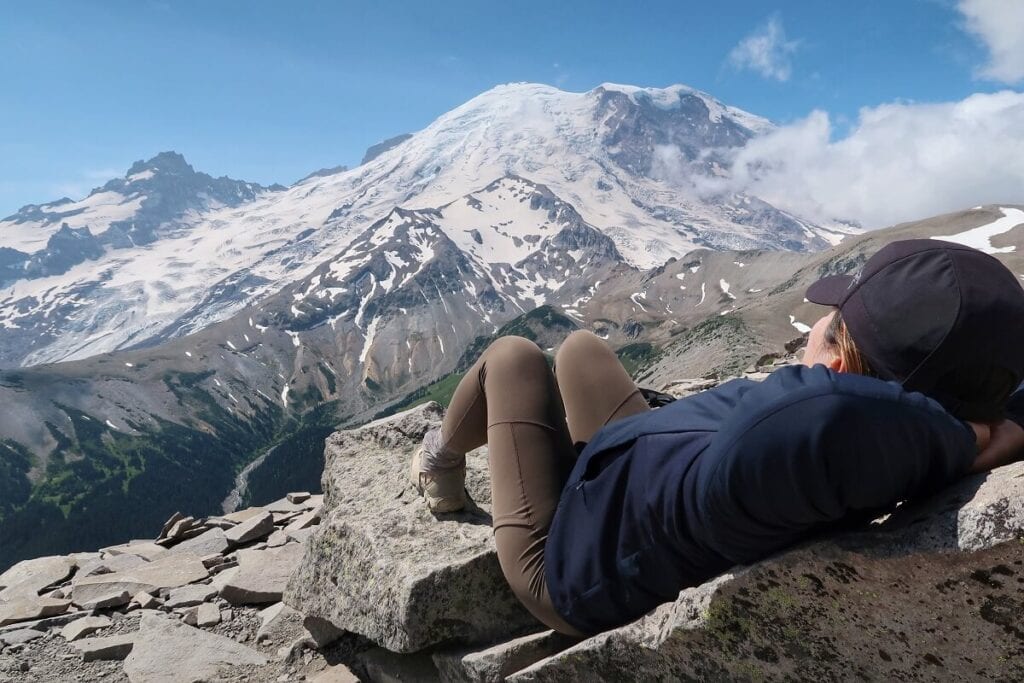
On the descent from Second Burroughs toward Sunrise Camp, the views are arguably the best available in the park. Rainier towers above the White River Valley, with glacier-fed waterfalls and a seafoam green lake below.
Paradise
Above Panorama Point on the Skyline Loop, the Mountain feels almost within arm’s reach. Turn around, and you might spot Mount Adams, Mount Hood, and even Mount St Helens on a clear day.
TIP: Before your visit, check Mountain Forecast to see if “the Mountain is out.”
Best Time for Rainier Views: Year-round, though winter, spring, and early summer feature more snow.
4. Marvel at Waterfalls
I saw smiles on faces and phones out at Narada Falls in January, even as the rain picked up.
While the Mountain is the main attraction, it’s not always out. Sun, rain or snow, Rainier’s waterfalls always deliver.
They’re the most powerful in late spring and early summer, fueled by snowmelt pouring off the mountain’s glaciers.
Longmire & Paradise
This popular part of the park features four beloved waterfalls, with the first two being quick stops off Paradise Road:
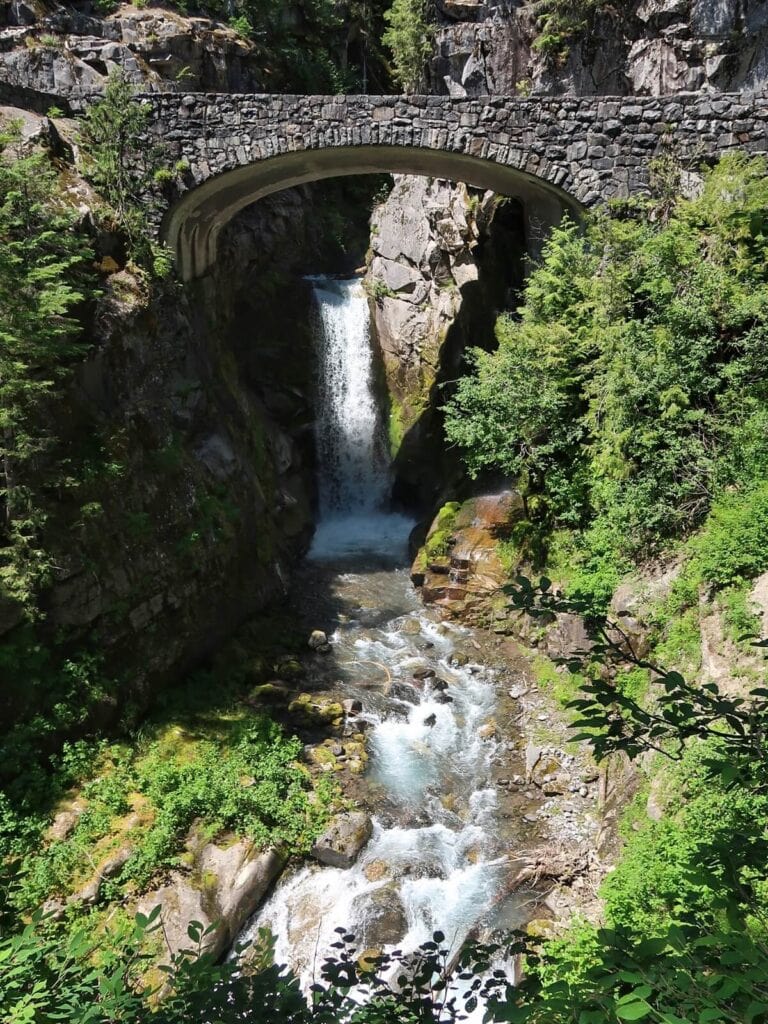
- Christine Falls: A short walk from the parking area leads to views framed by a historic stone bridge.
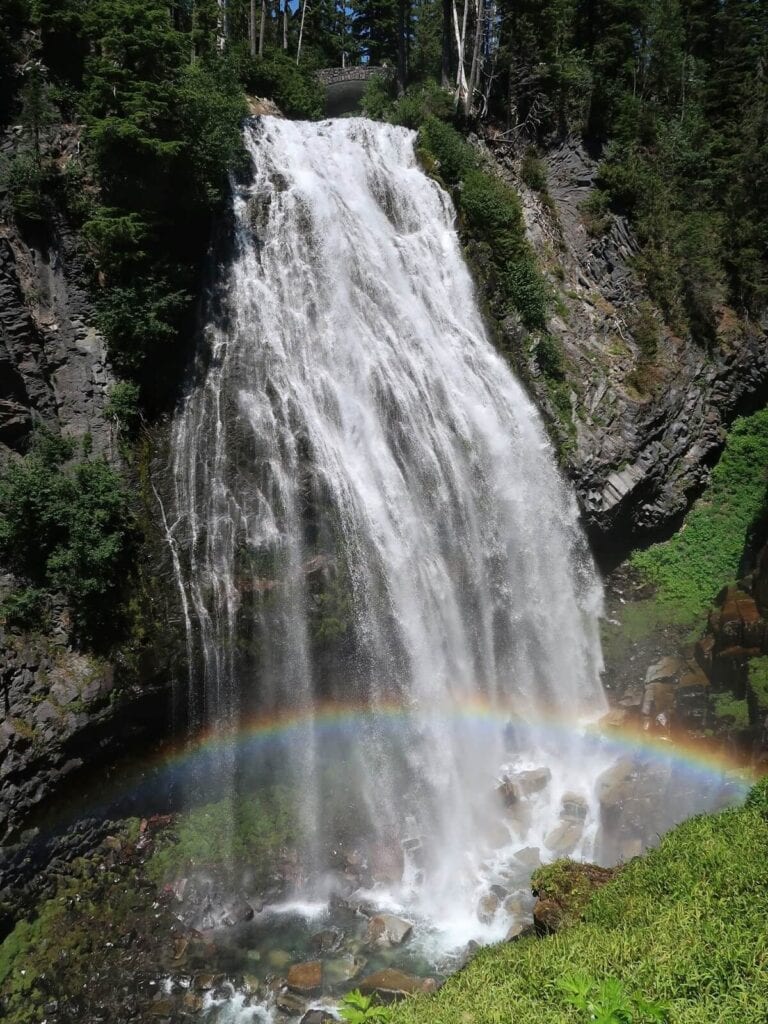
- Narada Falls: Offers accessible viewpoints from the parking lot. A short, steep hike to the lowest platform rewards you with a cooling mist and an incredible view.
- Comet Falls: One of the park’s tallest and most awe-inspiring waterfalls, accessible via a moderate hike.
- Myrtle Falls: A 0.5-mile paved walk from the Paradise parking area leads to this iconic waterfall, with Rainier as a stunning backdrop.
Ohanapecosh
- Eastside Trail to Stafford Falls: Near Highway 123, features three falls, including the impressive Chinook Cascades.
- Silver Falls: One of the best early-season hikes near the Ohanapecosh Campground, with a dramatic river canyon and forest setting.
Hidden Waterfalls on the Mountain
On Glacier Bridge on Paradise Road, my sister once spotted two unnamed waterfalls cascading down distant cliffs beyond the Nisqually River. It was one of those small, magical moments that I’ve never forgotten.
Best Time for Waterfall Viewing: Year-round, but late spring to early summer is best. In winter, waterfalls feature icy accents.
get LOCAL INSIGHT
Want quick clarity?
Get clarity on one key decision and walk away knowing your plan actually makes sense. Sessions start at $40.
5. Catch a Sunrise at Sunrise
The Sunrise area is the highest region in the park that you can drive to at 6,400 feet.
Sunrise’s elevated vantage point offers some of the most breathtaking views of Mount Rainier, especially at dawn. As the sun rises, the mountain glows with soft pink hues, casting light over its glaciers and sculpted ridges.
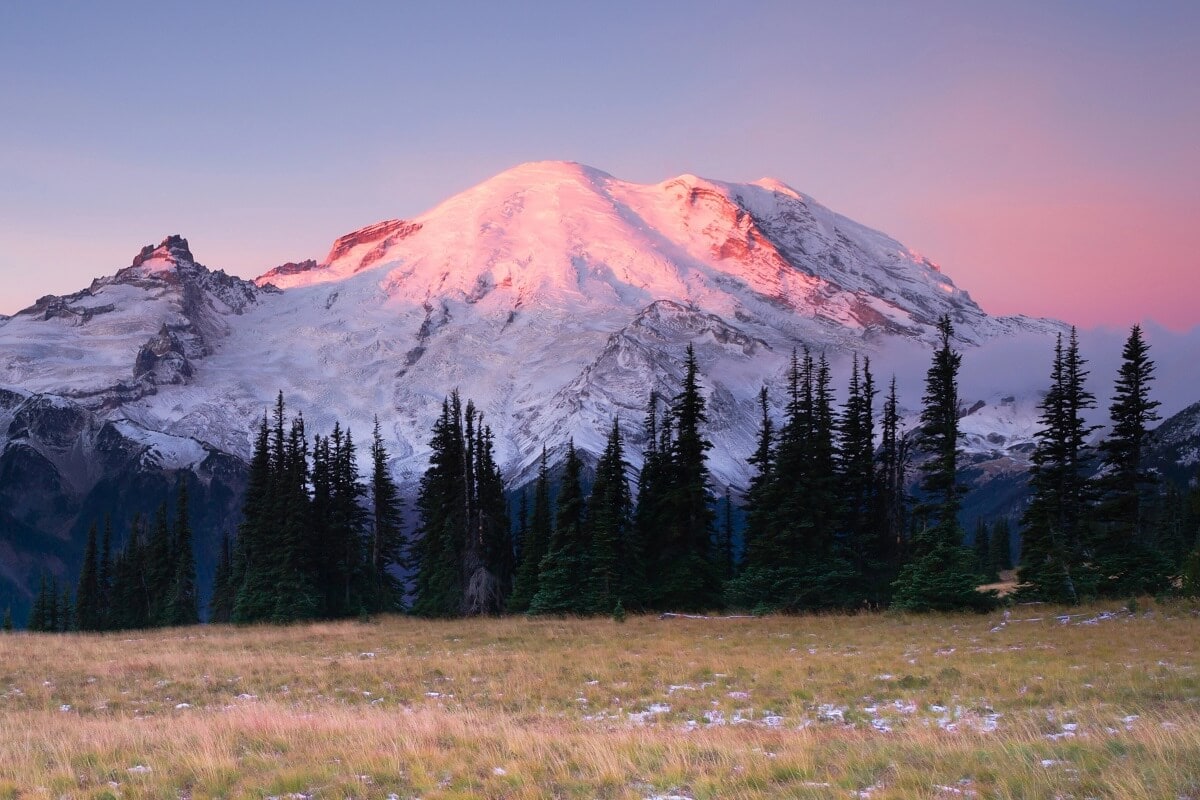
My Favorite Spots to See Sunrise:
- Sunrise Point Overlook
- Sunrise Visitor Center area
- Mount Fremont Lookout Trail
- Dege Peak Trail
The day that Sunrise opens for the season, generally in early to mid-July, is a big deal for locals who regularly visit the Mountain. In 2024, perhaps due to it being the first year of Timed Entry Reservations, the parking lot was ¼ full before 5am!
TIP: Bring a warm drink, food, and extra layers. The cafe at the Sunrise Day Lodge doesn’t open until 11am.
Best Time for Sunrises at Sunrise: Early morning on clear days mid-July to mid-August when the mountain still has a lot of snow.
6. See a Glacier Up-Close
Mount Rainier’s 25 glaciers make it the most glaciated mountain in the contiguous United States. You’d have to travel to Alaska to see one larger than the Emmons Glacier, visible from Sunrise. The Carbon Glacier on the northwest side of the park is the thickest.
Paradise
You’ll get the best view of the impressive Nisqually Glacier from the Skyline or the Nisqually Vista Trail.
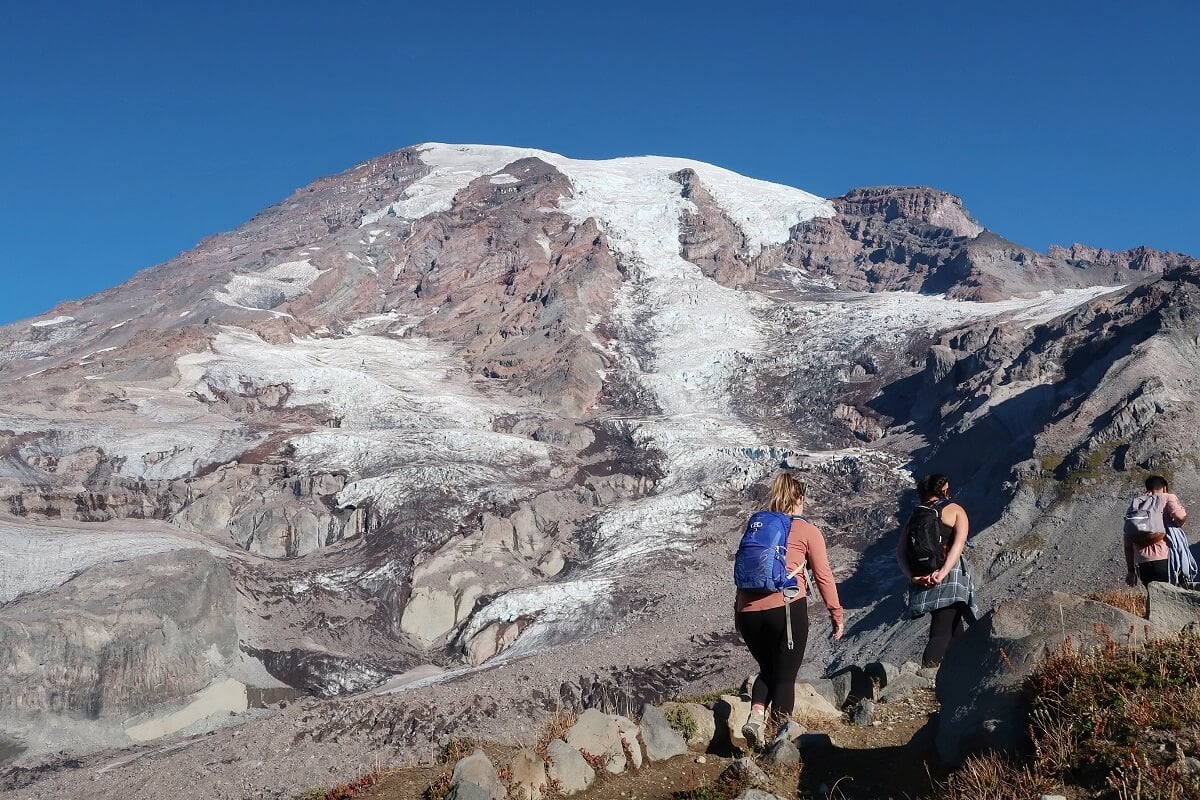

On our way out of Paradise, we stopped at Ricksecker Point. Facing the valley, I was astounded to see how far the glacier-fed Nisqually River extended into the distance.
Sunrise
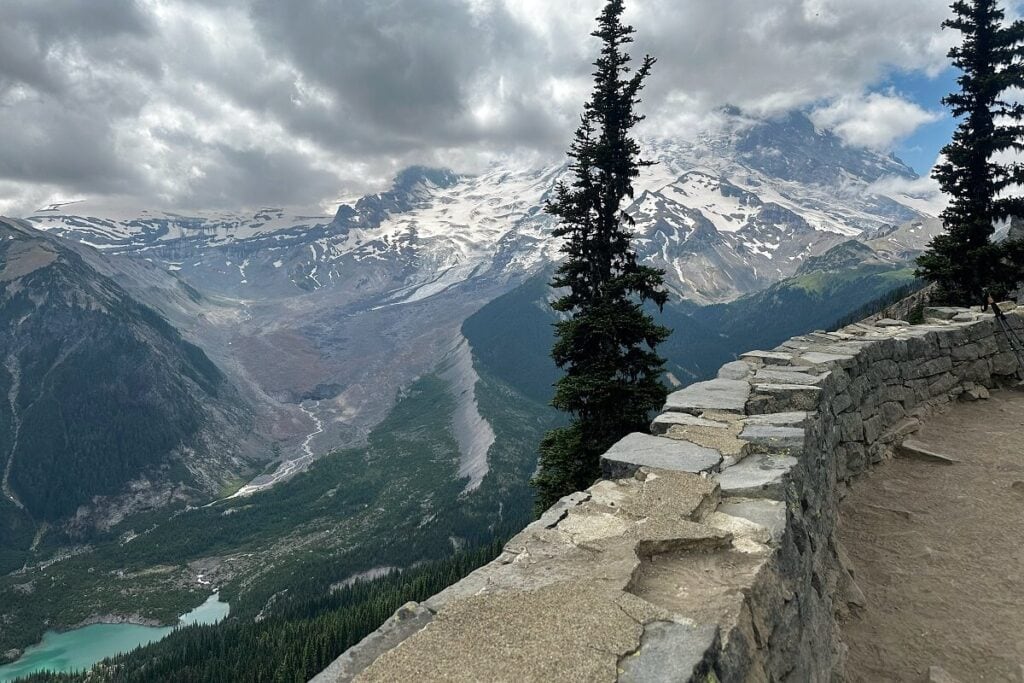
It’s worth stopping at both Emmons Vista overlooks along the easy Silver Forest Trail to see expansive views of the Emmons Glacier. The second is better for seeing a striking glacial lake and White River views.
Even better is the view from Glacier Overlook on the Sunrise Rim Trail.
Carbon River
For a challenging adventure, hike the 17.5-mile Carbon Glacier Trail for spectacular close-up views of the Carbon Glacier, which measures up to 700 feet thick!
Best Time for Glacier Views: Views of the Nisqually Glacier are accessible year-round. Sunrise area trails are open from July through September, though dates vary annually.
7. Enjoy Views of PNW Volcanoes and Vistas
I’ll never forget pausing on the Muir Snowfield in Paradise during my first guided summit attempt, gazing out at Mount Adams, Mount St Helens, and even Mount Hood on a cloudless summer day.
Fortunately, you don’t need to tackle a summit climb for similar jaw-dropping views. The challenging yet rewarding hike to Panorama Point at 6,900 feet offers a 360-degree view that includes Mount Rainier, the Tatoosh Range, and the same PNW volcanoes.

Non-hikers can still enjoy incredible vistas from easily accessible spots.
Inspiration Point, a convenient pull-off with plenty of parking, offers breathtaking views of Rainier, the Tatoosh Range, and the Paradise River valley.
For a laid-back way to enjoy the views, grab a coffee at the Tatoosh Cafe in Paradise Inn. Outdoor seating provides stunning scenery to enjoy as you relax.
Sunrise
The accessible Sunrise Point Lookout showcases astonishing views, including Mount Adams in the distance—a sight I never tire of.
A short hike to Sourdough Ridge and onto the easy Dege Peak Trail rewards you with extraordinary vistas of the North Cascades, Mount Baker, and Mount Adams.
Best Time for Volcano & Vista Viewing: Year-round on clear days
8. Spot Wildlife
Stay long enough, and you’ll encounter wildlife in its natural habitat at Mount Rainier. The park is home to black-tailed deer, black bear, elk, bobcat, mountain lion, mountain goat, Canada gray jays, Cascade red fox, and more.
Paradise
Whenever I see a crowd gathered on a trail in summer, it’s usually because a marmot is basking in the sun or munching on plants.
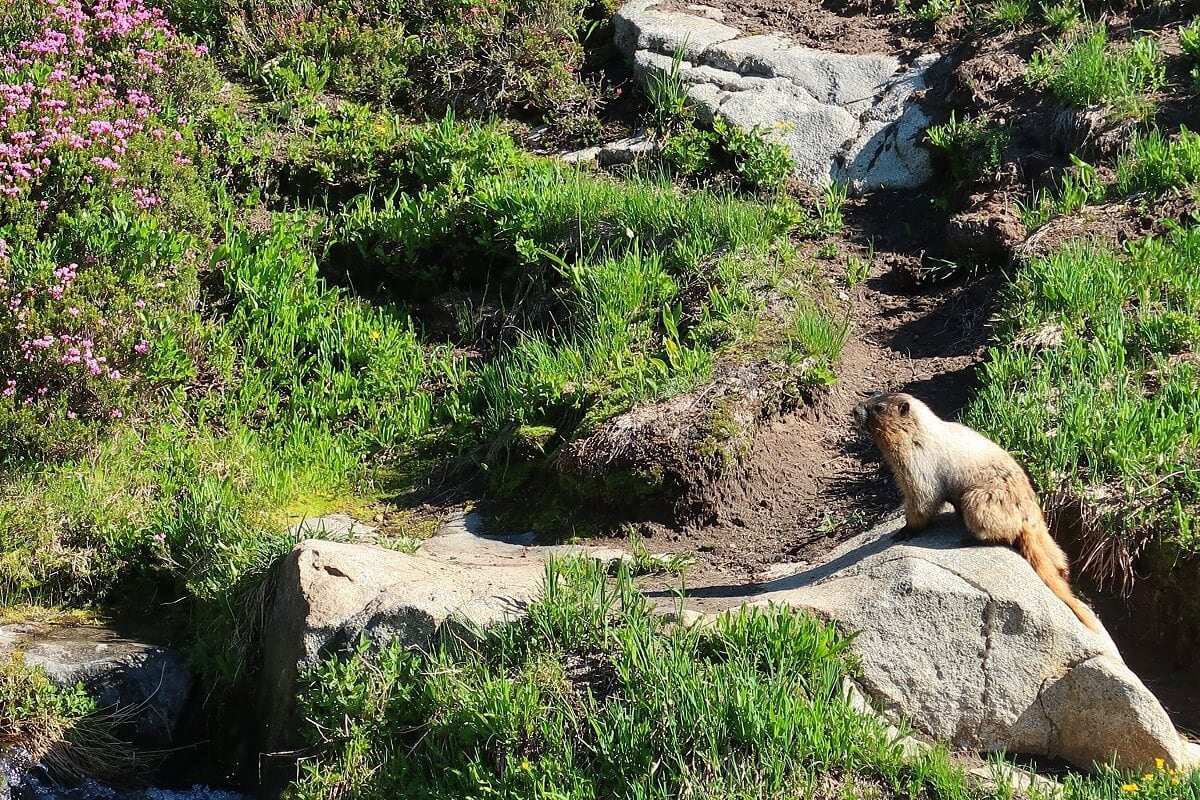
There’s a good chance you’ll spot them near Marmot Hill on the Skyline Trail, and you’ll probably hear their sharp, high-pitched whistle echoing through the meadows before catching sight of one.
Black bears occasionally wander into meadows near trails for berries, and rangers monitor their activity. If you spot a black bear, remain calm, avoid eye contact, and give it plenty of space.
Sunrise
A volunteer ranger once told me that the best area to see a herd of goats is near Frozen Lake.
I didn’t see any goats that day, but I encountered a persistent squirrel trying to sneak into my backpack for snacks. Its boldness stemmed from being fed by humans—something you should never do.
NOTE: Feeding wildlife makes them dependent on humans, harming their survival.
Best Time & Where to See Wildlife: Marmots are underground most of the year but emerge in summer on Paradise and Sunrise trails.
9. Capture Mount Rainier Reflected in a Lake
The only thing better than a view of the Mountain is seeing two—the Mountain itself plus its reflection in the clear lake waters below.
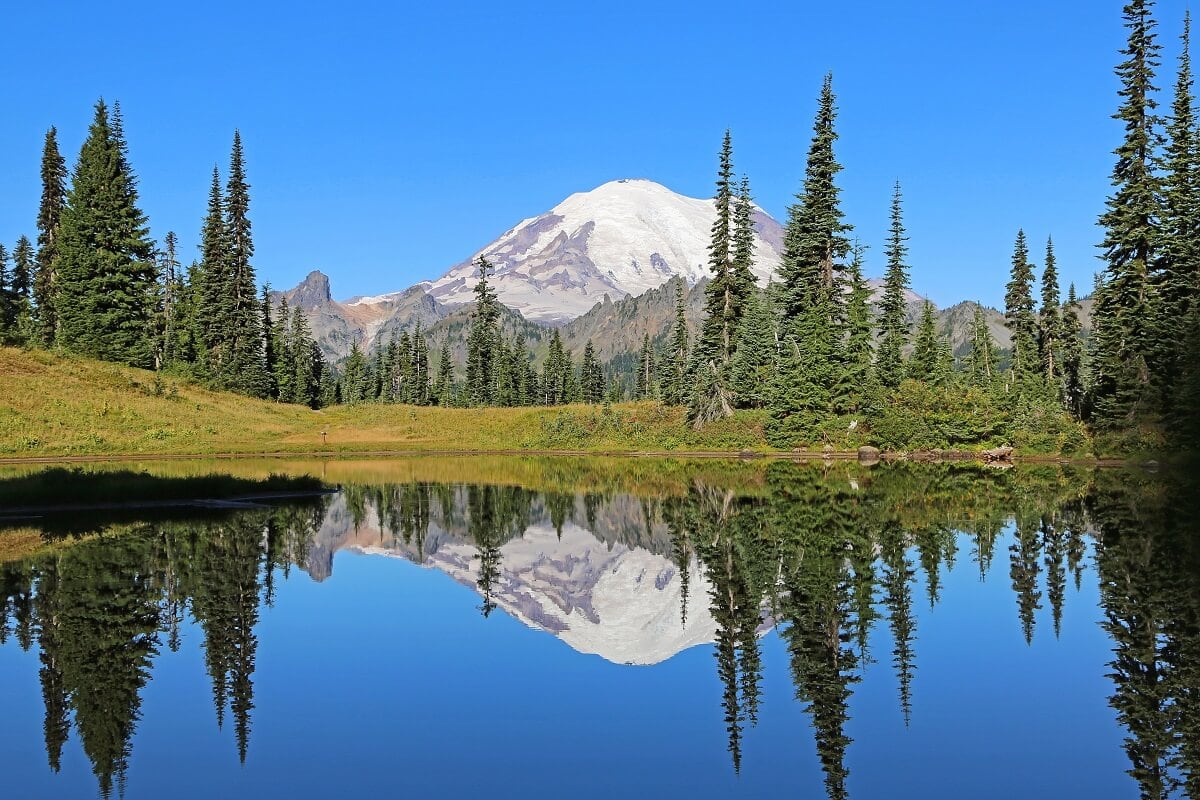
Conditions need to be just right. Snow must be thawed (usually by mid-July), and the water must be still.
Reflection Lake in the Paradise area is the best-known spot for this and one of the most popular in the park for early morning photography. Arrive well before sunrise to secure parking and set up your shot.
Even without perfect reflection conditions, Reflection Lake is worth a visit, especially because it doesn’t require any strenuous hiking. My 70-year-old parents navigated the rock steps down to the lake without issue.
You’ll also find stunning reflections at Bench Lake (Stevens Canyon Road) and Tipsoo Lake (Chinook Pass).
Best Time for Reflection Lake: Mid-July through September, early morning when the water is most likely to be still for a perfect reflection.
10. Play in the Snow
Mount Rainier offers snow activities well beyond winter, with Paradise remaining blanketed in snow through early summer.
The grounds near the Paradise Visitor Center are the most accessible spot where families often gather to take photos and enjoy the experience. Returning from the Muir Snowfield always brings me joy as I near the parking lot and see people of all ages laughing and playing in the snow.
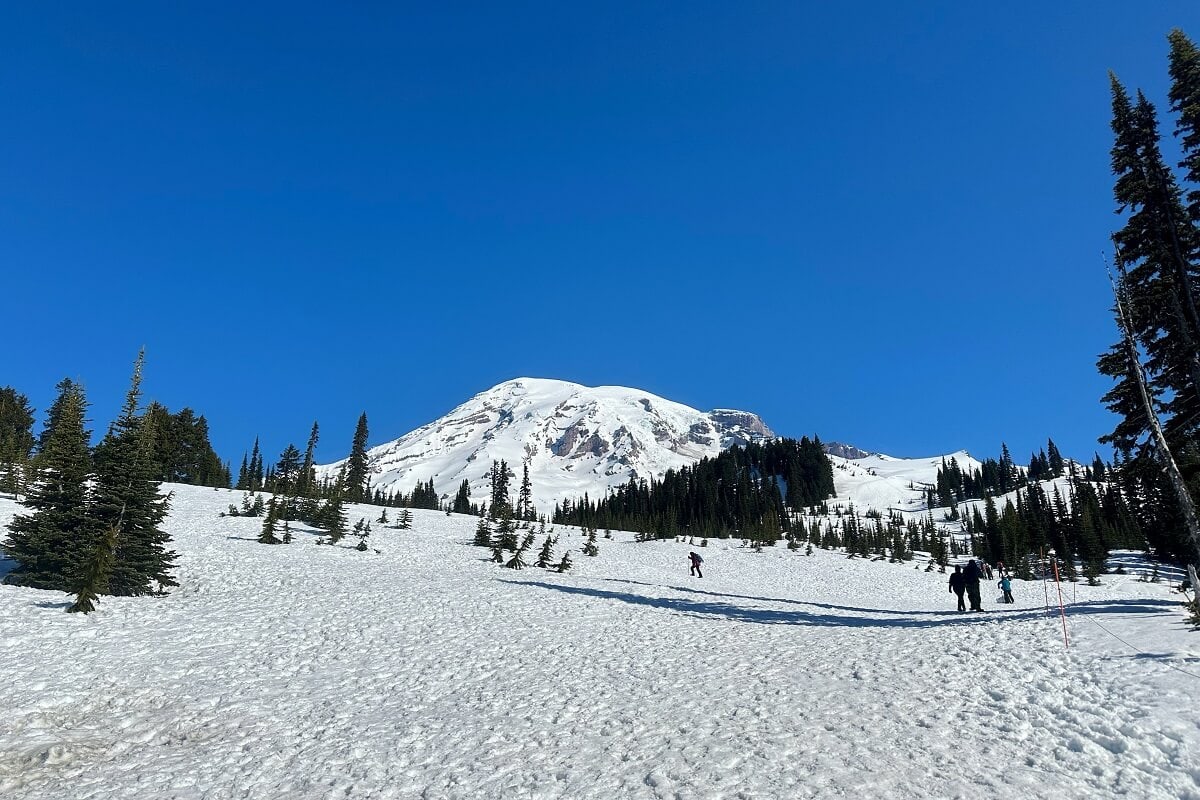
Even if you don’t bring snow gear, the proximity to amenities makes it easy to enjoy the snow without worry. However, safety gear is essential to explore beyond the visitor center grounds.
ESSENTIAL GEAR: Waterproof hiking boots with good tread, gaiters to keep snow out of your boots, and insulated gloves to keep your hands warm.
Best Time for Snow Play: April through June for accessible snow near Paradise. Of course, snow activities are available in winter, though road access is limited.
11. Catch a Sunset or Golden Hour in Summer
Seize upon summer’s long days, especially if you don’t have a Timed Entry Reservation! You can enter the park at 5pm and enjoy Sunrise and Paradise area trails until 9pm.
Paradise
I’ll never forget coming down the Skyline Trail after a long day hiking to Camp Muir and seeing peak summer evening light warm the subalpine meadows and valleys.

The landscape is out of a fairytale or the Sound of Music, but everything looks even more magical in golden hour light.
When you’re done on the trail, you’ll catch a brilliant sunset from Paradise’s lower parking lot.
Sunrise
If you’re up for the challenge, head to the fire lookout at Mount Fremont to watch the sunset. Be prepared for crowds and bring your headlamp for the hike back down.
No hiking is required to enjoy a spectacular sunset from the Sunrise Point Overlook, a frequently mentioned spot, because of its accessibility and incredible panoramic views.
Best Time to Catch Golden Hour: June through August
12. Camp Under the Stars
Camping at Mount Rainier is the perfect way to experience star-filled night skies. The park limits artificial light, so on clear nights, you might even see the Milky Way.
The park’s largest car-accessible campgrounds are Cougar Rock, between Longmire and Paradise, and Ohanapecosh, near the Stevens Canyon Entrance along the river.
NOTE: Ohanapecosh Campground will be closed through November 2026.
The smaller White River Campground is a great option for those visiting Sunrise, but sites are first-come, first-serve.
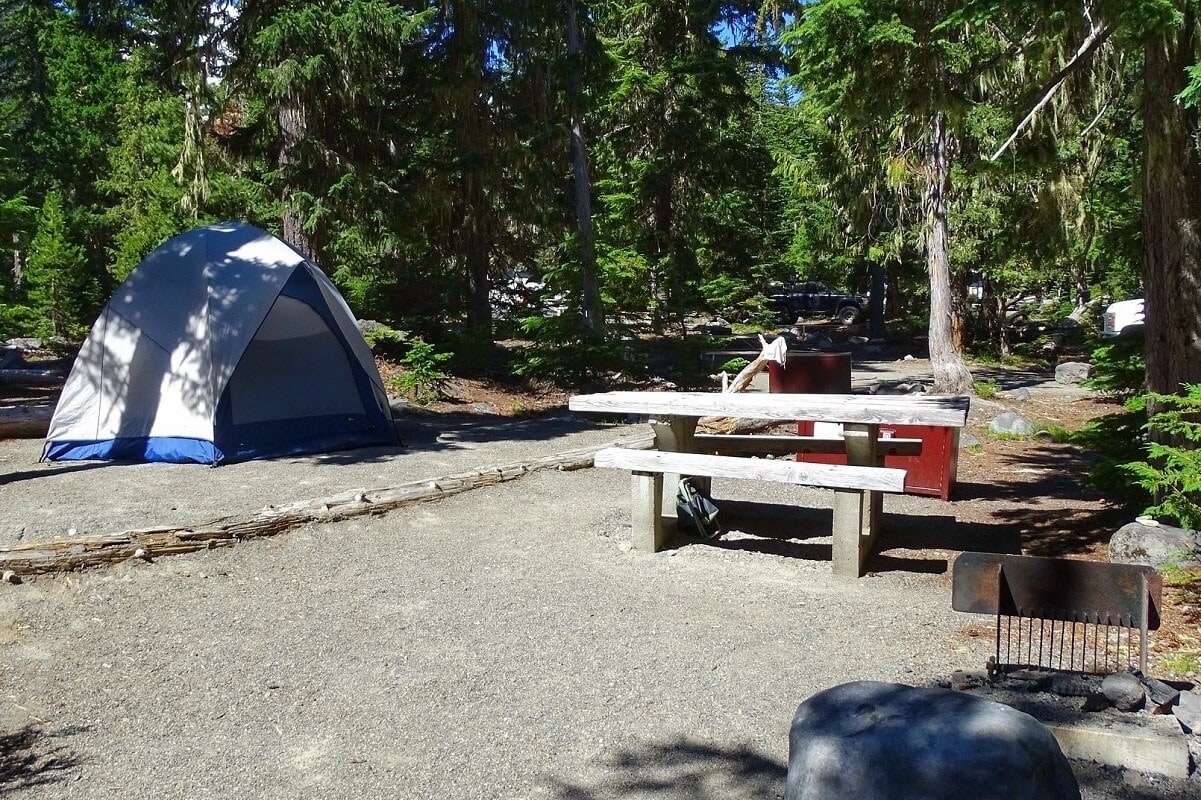
All three campgrounds provide water and flush toilets but no showers—though you can bring a portable one.
Staying in the park allows you to bypass the need for Timed Entry Reservations, making your visit more convenient, but you’ll need to book your summer camping reservations in advance.
NOTE: Reservations for the following week open again at 7am every morning, but based on my experience, you’ll need some luck!
For a more remote experience, Mowich Lake features ten walk-in sites that are first-come, first-serve, but they’re risky to rely on since you’ll drive 17 miles one way on a washboard road to get there.
Best Time for Camping: Late May through September
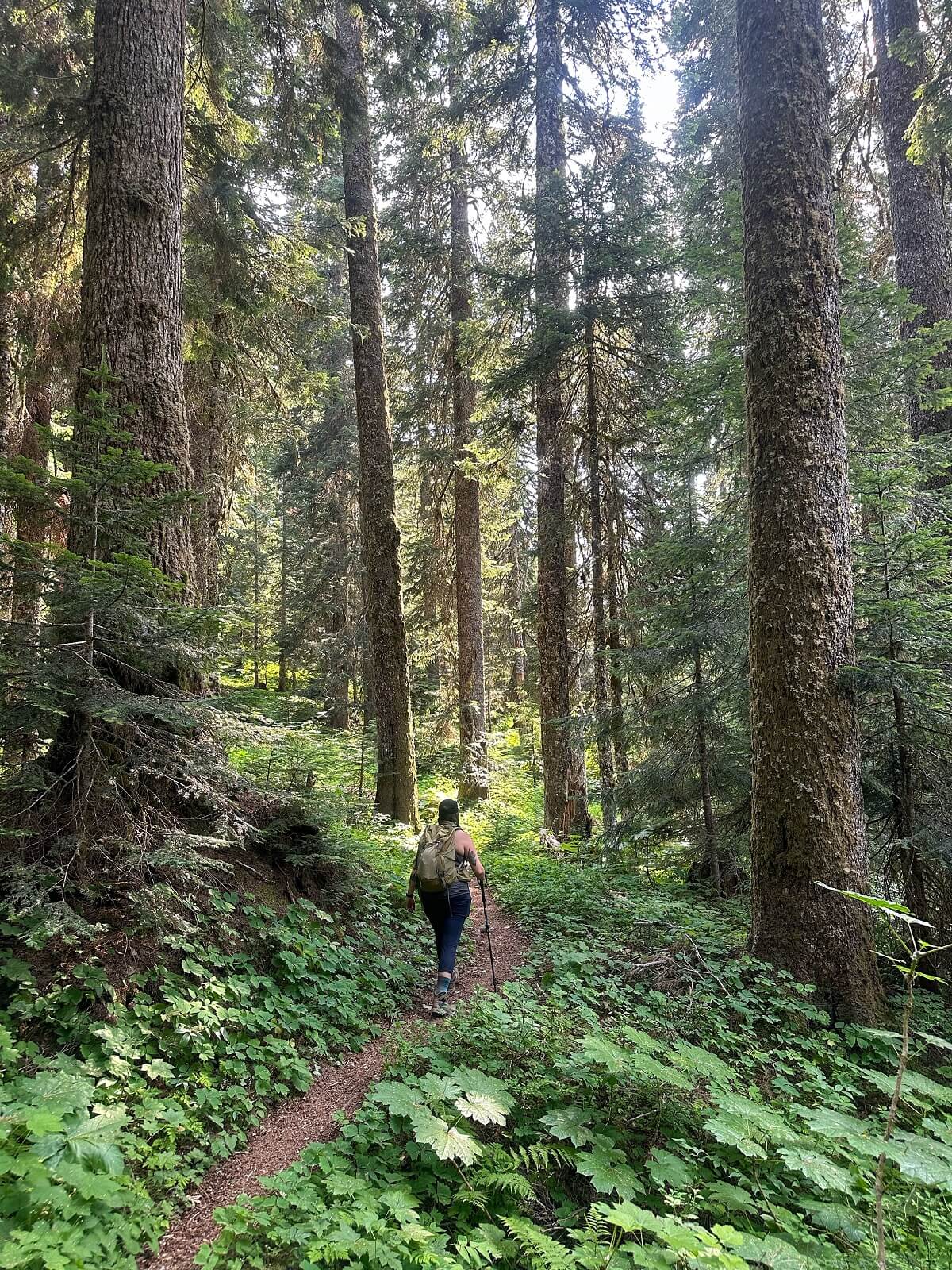
13. Walk Among Old-Growth Trees
The park’s Grove of the Patriarchs is home to Douglas-firs, western red cedars, and western hemlocks, some of which have stood tall for centuries!
While this area remains closed until the park completes a suspension bridge reconstruction project scheduled for summer of 2027, you can still experience the magnificence of old-growth forests on the trails below.
Ohanapecosh
The Silver Falls Trail offers a scenic hike that combines ancient forests with one of the park’s most beautiful waterfalls.
The Eastside Trail is a fantastic hidden gem hike that takes you through old-growth forests and past waterfalls.
Longmire
The Carter Falls Trail is an easy to moderate walk along the Paradise River near Cougar Rock Campground, with towering evergreens lining the path.
Non-hikers can enjoy these easy loop trails for an up-close look at old-growth trees:
- Twin Firs Trail: 0.5-mile
- Trail of the Shadows: 0.7-mile
Best Time for Seeing Old-Growth Trees: Year-round
14. See Fall Color
Vibrant crimson huckleberry shrubs blanket Rainier’s subalpine meadows in fall, seeming to glow on blue-sky days.
Early fall is the best time to visit because road closures haven’t yet begun, and snow hasn’t yet added an extra layer of logistics. By late October, many areas and roads close, and the park enters its winter phase by November.

Paradise
I spent nearly six hours on the Skyline Loop Trail in mid-October, amazed by the park’s fiery landscapes, but I suspect I missed peak fall color by about a week, as many shrubs had already shed their leaves. Still, the experience was spectacular.
For a shorter option, walk just 0.5 miles to reach the colorful meadows around and beyond Edith Creek.
Chinook Pass near Sunrise
For easy-to-access fall colors, Tipsoo Lake and Little Tipsoo Lake require little to no hiking. For more adventure, hike Naches Peak Loop for some of Rainier’s most stunning fall views.
Best Time for Fall Color: Late September to mid-October, before snow begins.
15. Snowshoe in Winter
Mount Rainier in winter is a snowy wonderland. To avoid post-holing (sinking into deep snow) at all costs, snowshoeing is one of my favorite ways to explore the park.
Paradise
On winter weekends, Paradise is the most popular spot for snowshoeing, with ranger-guided snowshoe walks available for those who want an educational, guided experience.
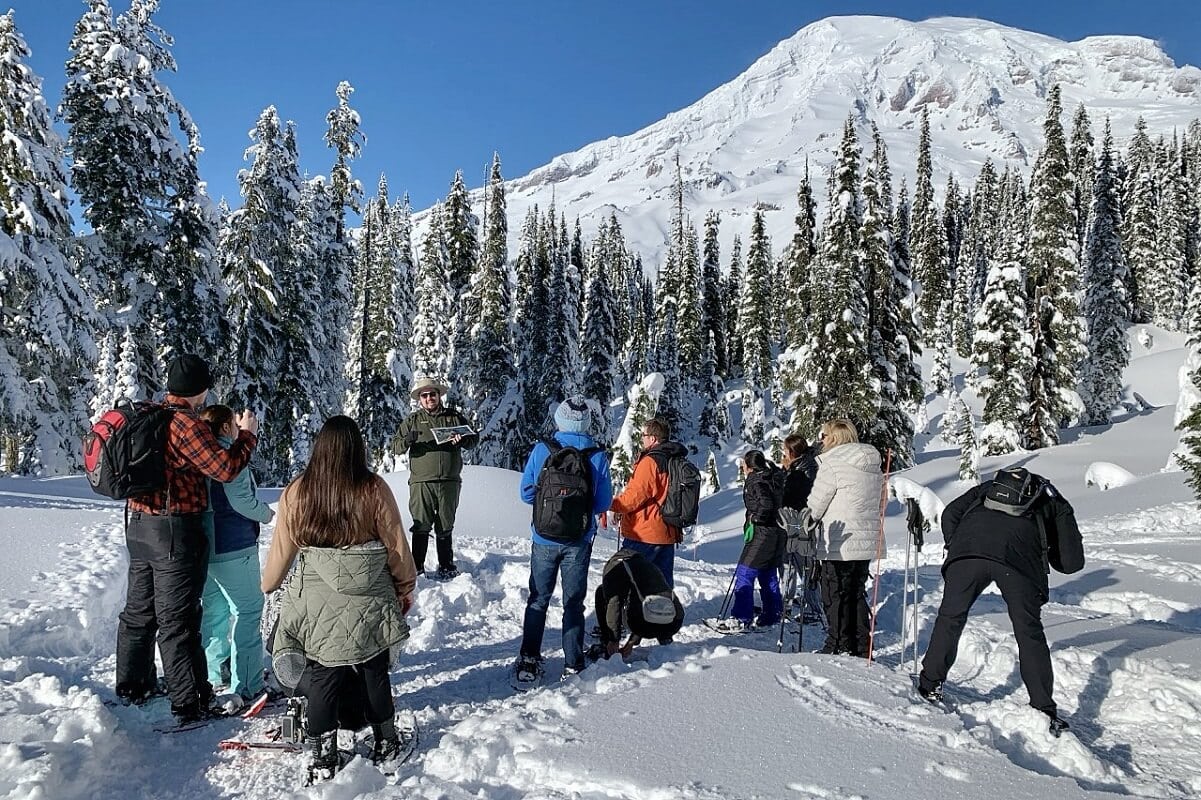
The Nisqually Vista Trail is perfect for beginners, featuring an accessible loop with breathtaking scenery.
Adventurers seeking a moderate challenge can tackle Mazama Ridge for panoramic views of the snow-covered Tatoosh Range and surrounding peaks. On a bluebird winter day, there’s no place I’d rather be!
Longmire
For a quieter experience, head to Longmire, where snowshoe trails wind through serene old-growth forests.
If you’d rather stay out of the snow, check out the Longmire Museum or sip on a hot drink from the porch of the National Park Inn.
Best Time for Winter Snowshoeing: Late November through March
16. Learn About the Park & Park History
Mount Rainier National Park, the fifth established in the United States, celebrated its 125th anniversary in 2024.
However, as its Indigenous Land Acknowledgement reminds us, the park resides on the ancestral homeland of the Cowlitz, Muckleshoot, Nisqually, Puyallup, Squaxin Island, Yakama, and Coast Salish peoples, who have stewarded this land since time immemorial.
Sunrise
At the Sunrise Visitor Center, I spent an hour browsing books and exploring exhibits about how lava flows shape mountains, how Indigenous peoples used animals and plants, and the life cycle of wildflowers.

Paradise
The Henry M Jackson Visitor Center has similar exhibits on volcanoes, glaciers, and wildflowers. The theater shows a short film on the park’s landscapes and the importance of protecting them.
Longmire
Visit the Historic District, where you can do a self-guided walking tour of the area’s historic buildings, including the Longmire Museum, built in 1916.
By learning about Mount Rainier’s history and cultural significance, you’ll deepen your connection to the nature you encounter while exploring.
17. Keep Wildlife & Wilderness Areas Wild
It’s tempting to venture off-trail or step beyond roped-off areas, but please resist the urge. Mount Rainier’s wildflower meadows, wildlife, and fragile ecosystems depend on responsible stewardship.
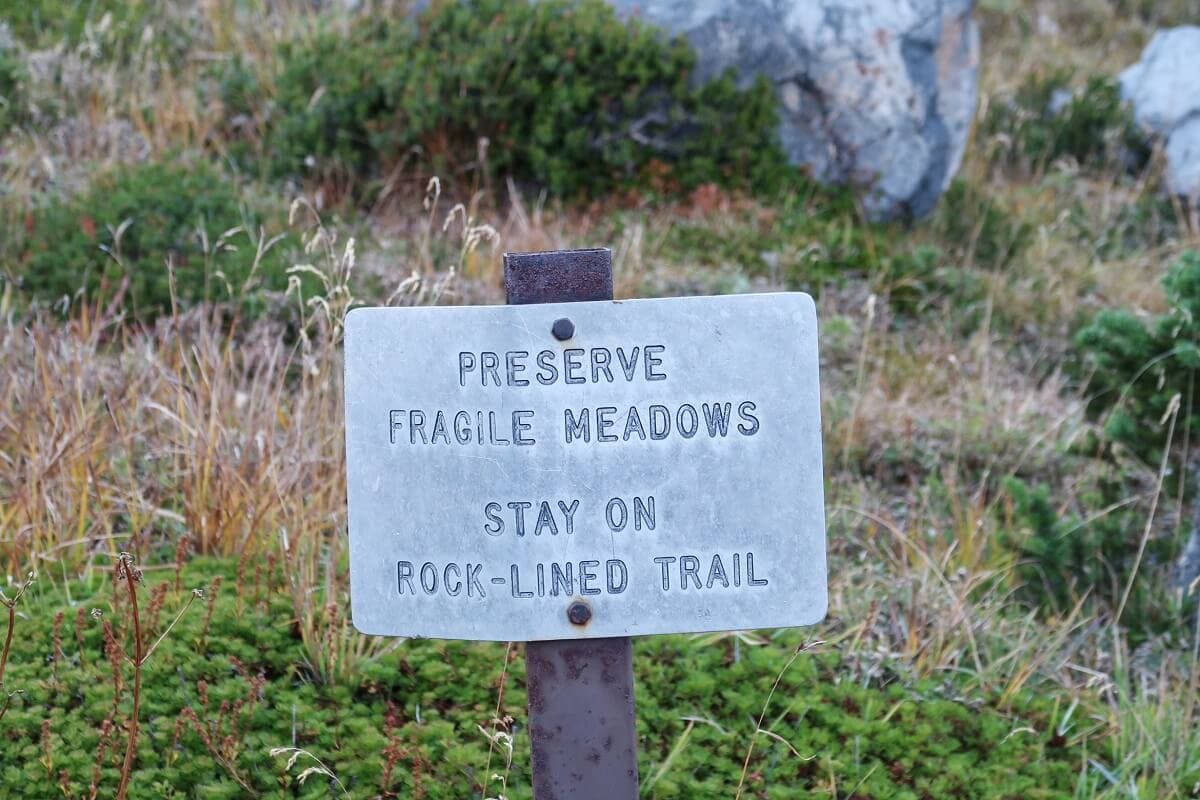
I once heard a volunteer tell a “meadow stomper”—the name for those who venture beyond trail boundaries—that her steps compromised the life cycle and blooms of the dormant avalanche lilies beneath her.
Wildlife, too, needs space to thrive. Always observe marmots, deer, or goats from a safe distance, and never feed them. Processed foods harm their digestive systems and disrupt their natural diets.
Pack out all trash, and if you see litter on the trail, consider picking it up. By following Leave No Trace principles, you help preserve the wildness and beauty of Mount Rainier for future generations.
Bonus: Visit Rainier BaseCamp in Ashford
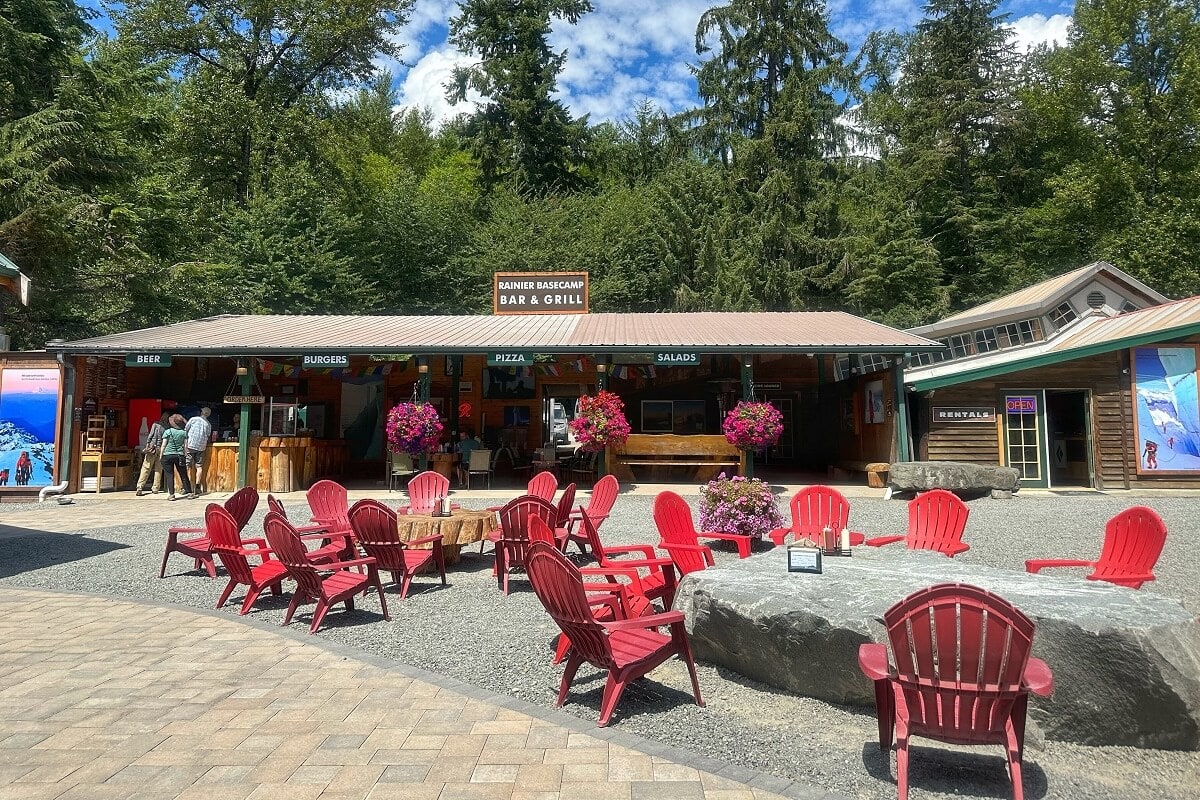
Ashford, the gateway to Mount Rainier’s Nisqually Entrance, is home to Rainier BaseCamp, a fantastic stop for climbers and casual visitors alike. It’s open year-round, although the restaurant closes in October and reopens in mid-December.
The first time I stopped here, I picked up a postcard highlighting a guided summit climb with RMI. I didn’t know it then, but that stop changed my life. I’ve since attempted to summit Rainier twice.
Eat, Drink & Relax
In the morning, grab a coffee and breakfast at Whittaker’s Cafe to fuel up for the day.
Later in the day, grab a pizza or burger at BaseCamp Bar & Grill. There’s plenty of seating to relax with a beer after a day of hiking.
TIP: Stop here on your way to the Nisqually Entrance to use the restrooms before encountering long lines at Paradise.
Gear Up
If you need souvenirs or gear for your adventure, Whittaker Mountaineering has you covered with everything from hats and stickers to climbing essentials.
What to Pack for Mt Rainier
Pack these six essential items for late spring through early fall adventures. While not exhaustive, the list below provides an excellent starting point for planning your trip.
- Softshell Jacket: Always in my pack for cool mornings, evenings, or windy trails. It offers warmth without bulk and layers seamlessly.
- Rain Jacket: A necessity, even in June. You might leave it in the car in July or August, but rain showers can still happen during these months.
- Sturdy Shoes: Comfortable, broken-in hiking boots or running shoes with good grip are a must for uneven terrain.
- Trekking Poles: Poles reduce knee strain on steep descents and provide stability.
- Sunhat or Sunglasses: Protect yourself from the sun on exposed trails. While one works, I usually bring both.
- Camera: I took the highest quality photos in this post with my Canon PowerShot G7X Mark II. The rest were taken with my iPhone 14 Pro Max.
Planning to tackle more challenging hikes? Check out my complete gear list here.
Where to Stay at Mount Rainier
Staying in Packwood makes it convenient to visit both Paradise and Sunrise.
- Historic Hotel Packwood – Full of charm and conveniently located right across from my favorite spot to eat, Packwood Brewing Co.
- Packwood Inn – They weren’t fancy, but the rooms were clean and available just a week before my trip. The grocery store is conveniently next door.
If you’re only visiting Paradise, I recommend staying in Ashford.
- Paradise Village Inn – I slept comfortably in their King Bed Cabin and was pleasantly surprised by the freshness of their produce at their on-site Ukrainian restaurant. I loved their salads and crepes!
- Mountain Meadows Inn – A cozy, home-like stay with a hot tub and breakfast items provided, just 20 minutes from the Nisqually Entrance.
While Ashford and Packwood are the two best towns near Mount Rainier, consider the Crystal Mountain and Greenwater area if you’re only visiting Sunrise.

CONSIDER A VISIT TO OLYMPIC!
➥ Day Trip to Olympic National Park from Seattle
➥ 2 FUN Days in Olympic National Park
➥ 13 BEST Olympic Beaches
Visiting Mount Rainier: FAQs
I answer commonly asked questions below.
★ How much time do you need at Mount Rainier National Park?
Plan to spend at least one full day at Mount Rainier to see the highlights of the Paradise area. But 2-3 days allow you to explore more trails, visit other areas such as Sunrise or Ohanapecosh, and experience the park at a relaxed pace.
★ What is the best way to spend time at Mount Rainier?
Hike iconic trails like the Skyline Loop or Naches Peak Loop to experience unbeatable views and wildflower meadows in bloom from mid-July to mid-August. If hiking isn’t your thing, explore near the Paradise or Sunrise visitor centers for incredible mountain vistas, or take scenic drives to waterfalls and lakes.
★ What is the best part of Mount Rainier National Park?
Paradise is famous for its stunning wildflower meadows and access to the Skyline Loop Trail, arguably Washington State’s best day hike. Sunrise, the park’s highest drivable point, offers spectacular, in-your-face views, including my personal favorite from Burroughs Mountain.
★ Is it worth going to Mount Rainier?
Absolutely! Mount Rainier offers a unique combination of majestic subalpine and lowland scenery, panoramic views of surrounding peaks, diverse trails, and iconic features like glaciers, waterfalls, and wildlife, making it a must-visit destination.
Wrap-Up: Things to Do in Mount Rainier National Park
Mount Rainier is the crown jewel of Washington. Its national park provides unbeatable opportunities to connect with nature, whether on iconic Paradise trails, at Sunrise’s higher elevations, or in Ohanapecosh’s old-growth forests.
Whether visiting for just a day or planning a multi-day adventure, these 17 activities will help you make the most of your time in the park!
Wondering if a day trip is worth it? Check out my complete Mount Rainier 1-Day Itinerary to see exactly what you can experience in just one day.
RELATED TRIP PLANNING POSTS:
➥ How to Visit Mount Rainier & Plan the Perfect Trip Length
➥ Best Time to Visit Mount Rainier: Will the Mountain Be Out?
➥ 17 BEST Things to Do at Mount Rainier (Non-Hikers Too!)
➥ 7 BEST Towns Near Mount Rainier for First-Time Visitors
➥ 15 BEST Places to Stay Near Mount Rainier (& Places to Skip!)
➥ National Park Inn Review: Pros, Cons & Why I’d Return
➥ A First-Timer’s Guide to Paradise at Mt Rainier (Hikes & Attractions)
➥ Longmire Mount Rainier: What to Do, When to Visit & Why It’s Worth It
➥ Mount Rainier 1-Day Itinerary (Best Hikes & Stops)
➥ Skyline Loop Trail Guide: 10 Reasons It’s WA’s Best Day Hike
➥ 10 Tips to Avoid Crowds at Mount Rainier in Peak Season

Skip the guesswork, stress, and hours of research—let me help you plan your itinerary!
