
25 Best Attractions in Washington State for First-Time Visitors


Washington is a rare place where you can explore a moss-covered rainforest in the morning, walk along a wild Pacific beach after lunch, and drive to 5,400 feet above sea level the next day at Mount Rainier.
Add in charming coastal towns, islands reached by ferry, and the Emerald City of Seattle — framed by mountains and water — and choosing which places to visit in Washington becomes the challenge.
Especially if it’s your first trip here.
Should you prioritize the national parks, explore the San Juan Islands, or spend a few days in Leavenworth? And how much can you realistically experience in one trip?
As a Washington local who lives between the Olympic and Cascade mountains, I’ve spent nearly two decades exploring my state’s hiking trails, coastlines, small mountain towns, and places you can only get to by boat.
I’ve learned that you don’t need to see it all to have an incredible Washington vacation.
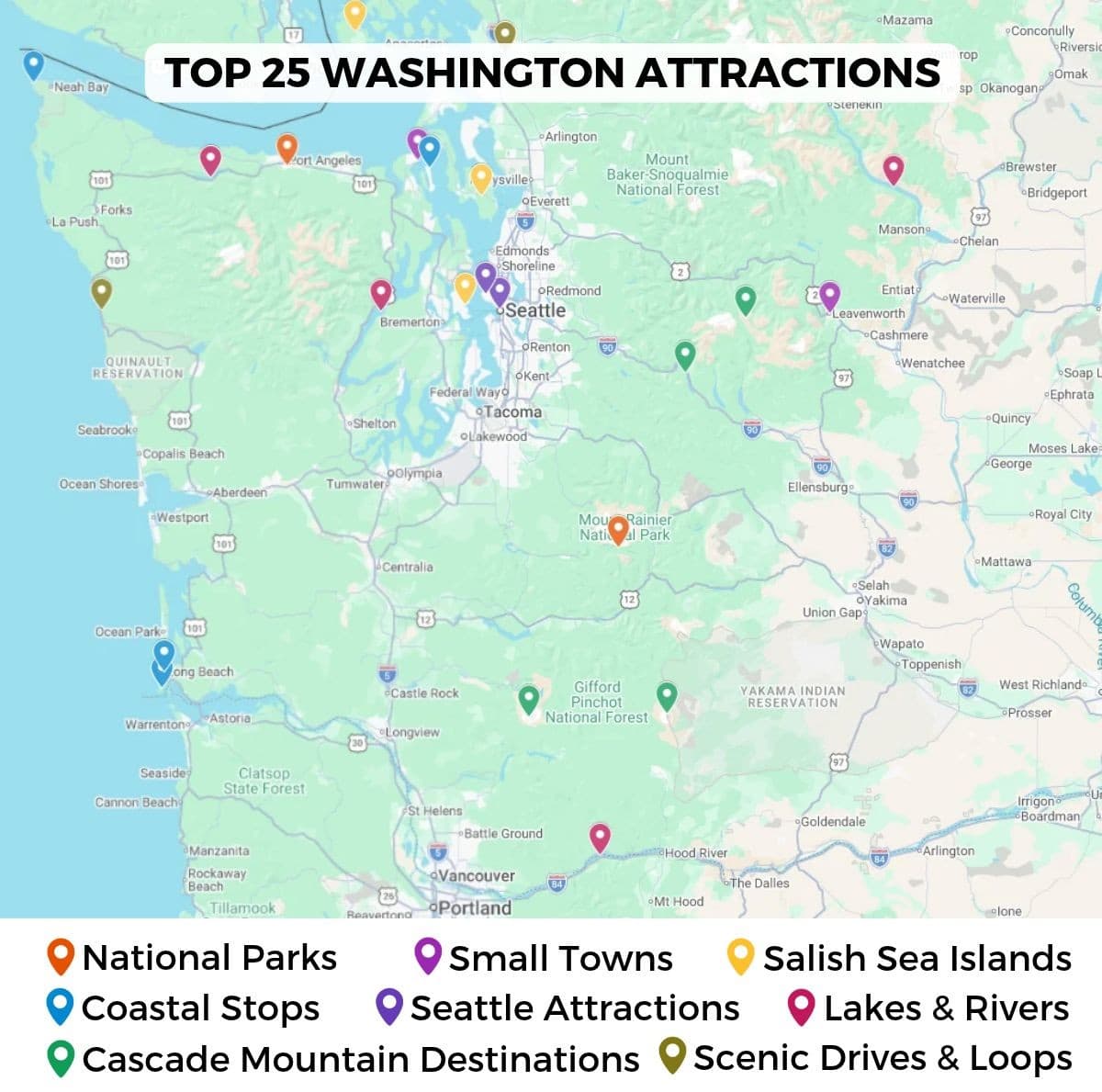
Here are 25 of the best attractions in Washington State, with guidance to help you understand what sets each destination apart, decide which places appeal to you most, and start planning a trip that’s right for you.
Eastern Washington is filled with incredible places to visit, including Palouse Falls. But adding the region means significantly more driving.
I’ve focused this list on the 25 attractions that reflect what most first-time visitors come to Washington to experience.
Washington’s National Parks
When I help clients plan trips to Olympic and Rainier, many visit just one park, some visit both, and very few plan to visit all three in one trip.
You certainly can, but remember that you’ll need time not only to travel between the parks, but also to experience each park beyond its main viewpoints.
1. Olympic National Park
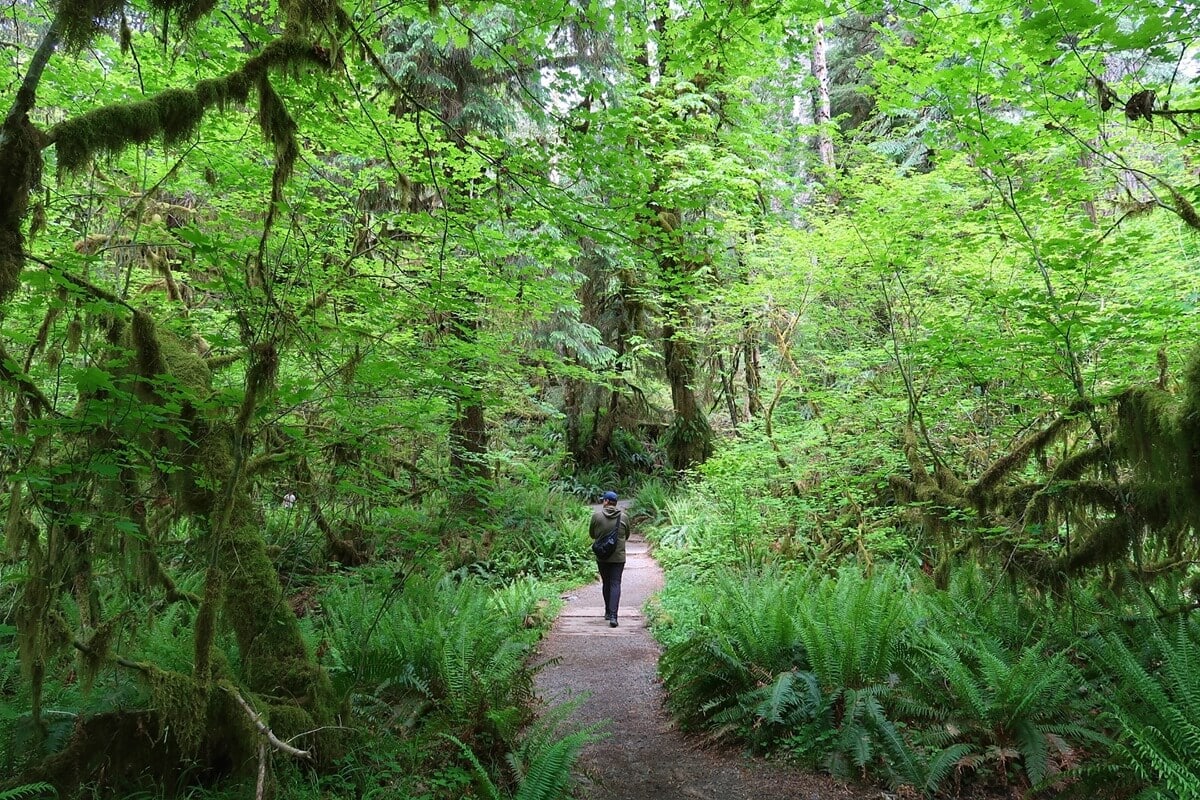
What makes visiting Olympic National Park so special is the sheer variety of landscapes you’ll see on one road trip along the Highway 101 loop — mountains, temperate rainforests, old-growth trees, rivers, lakes, and Pacific Coast beaches.
I’ve had the opportunity to experience Olympic at some of the best times: the Hoh Rain Forest in May when leaves are spring green, Hurricane Ridge in late June when tiger lily-lined trails are snow-free, and the Sol Duc Valley in September when salmon return to spawn.
Don’t Miss
- Mount Olympus’s glaciers from Hurricane Ridge
- Quinault’s waterfalls and creeks
- La Push beaches
Travel Tip
Don’t try to see the park from one home base. Staying in at least two locations along the Highway 101 loop can save you hours of backtracking.
2. Mount Rainier National Park

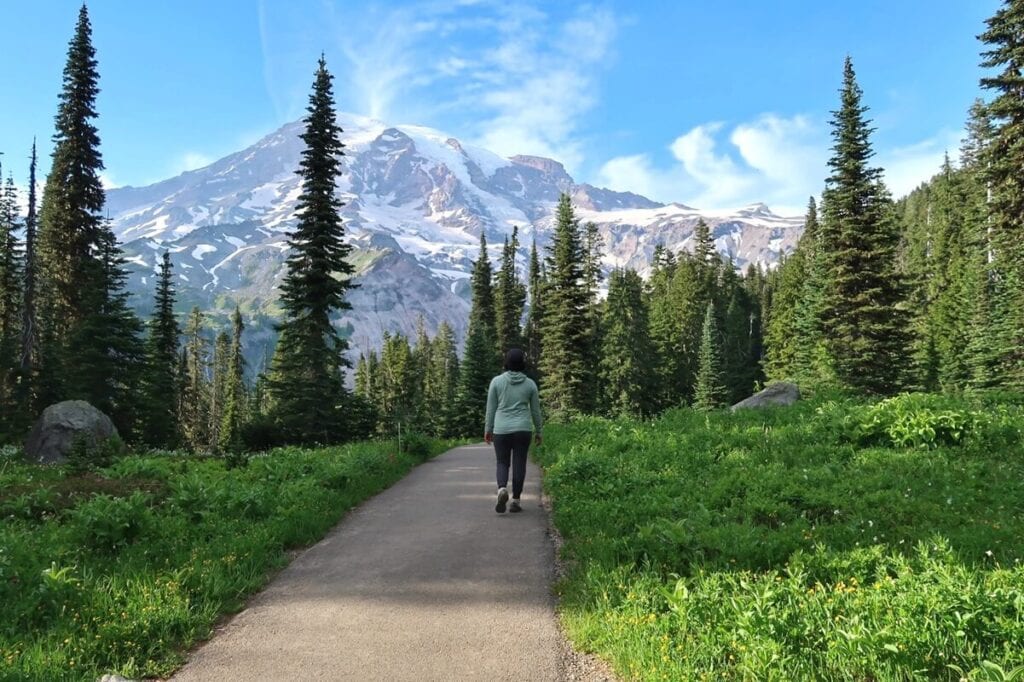
Mount Rainier National Park is my favorite place in the world. And when you see Paradise for the first time with wildflowers blanketing its rolling meadows, you’ll understand why it’s the park’s most popular visitor area.
I’ll never forget hiking down from Panorama Point at golden hour, still stunned by the views of Mount Adams, Mount Hood, and Mount St. Helens, with Mount Rainier right in front of us.
Seeing the mountain towering above the landscape is the number one reason people visit, but Rainier’s waterfalls, rivers, old-growth forests, and surrounding mountains are also first-rate.
Don’t Miss
- Evening light in the Paradise meadows
- Sunrise near the Sunrise Visitor Center
- Rainier views from Burroughs Mountain
Travel Tip
Book accommodations inside the park to avoid entrance lines that can start as early as 9am in summer. I prefer staying at the National Park Inn in Longmire over Paradise Inn because it’s quieter, but staying in Paradise means you won’t have to worry about parking.
3. North Cascades National Park Complex
The North Cascades feels more remote than Washington’s other national parks because it is. Hozomeen Mountain, for example, is accessible only by boat or on foot, unless you drive into Canada and circle back down.
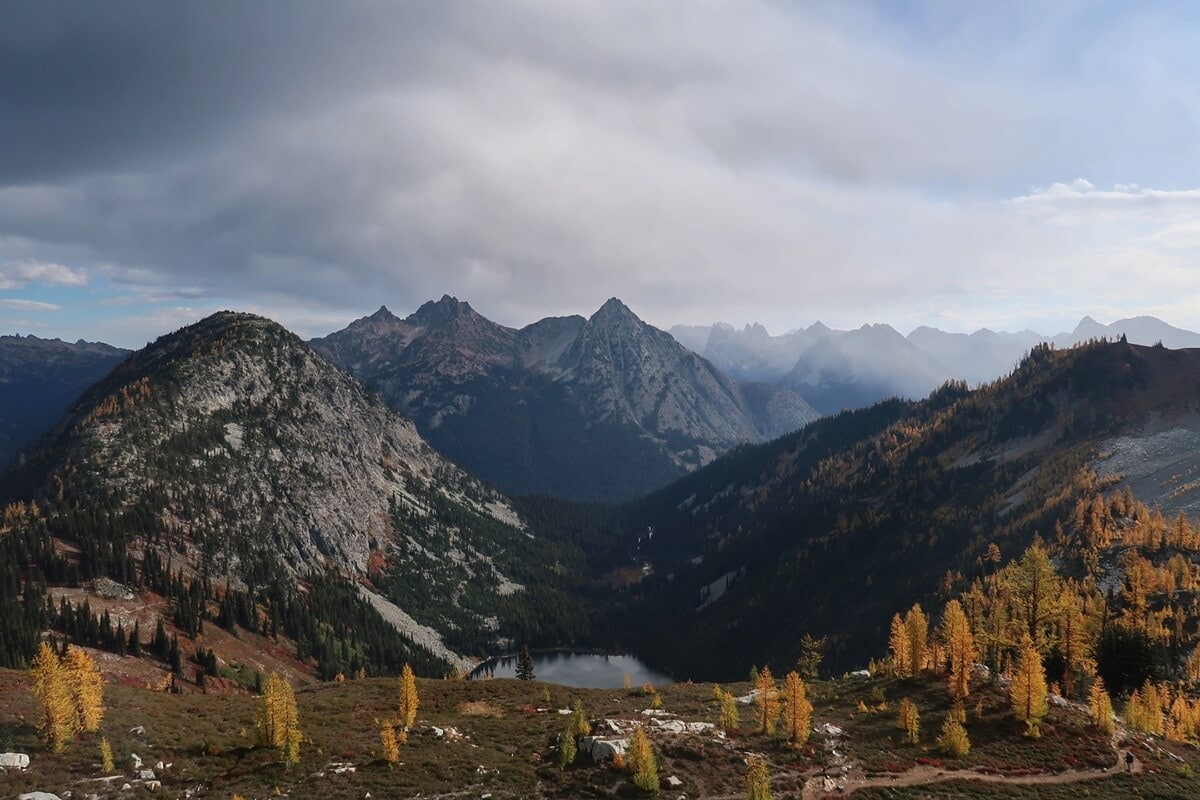
Luckily, you don’t have to venture that far into the wilderness to appreciate the North Cascades. Scenic stops at Diablo Lake and Washington Pass offer spectacular mountain views right along Highway 20.
For those who enjoy a challenging hike, my favorite is the Maple Pass Loop Trail. Panoramic views and alpine scenery make this one of Washington’s best day hikes.
Don’t Miss
- Paddling and camping on Diablo Lake
- The turquoise water of Blue Lake
- The Skagit River along Highway 20
Travel Tip
Lodging in nearby towns like Marblemount and Concrete is limited. I like being able to reserve private campsites on Hipcamp rather than rely on first-come, first-served campgrounds along Highway 20.
Scenic Drives & Loops
Washington’s scenic drives are worth planning some time around.
Some, like the coastal highways of the Olympic Peninsula, can be explored in a few hours or incorporated into the full Highway 101 Olympic Loop that circumnavigates Olympic National Park.
Others, like the Cascade Loop, are best experienced over several days, with time to explore the towns, trails, and viewpoints along the way.
4. Cascade Loop
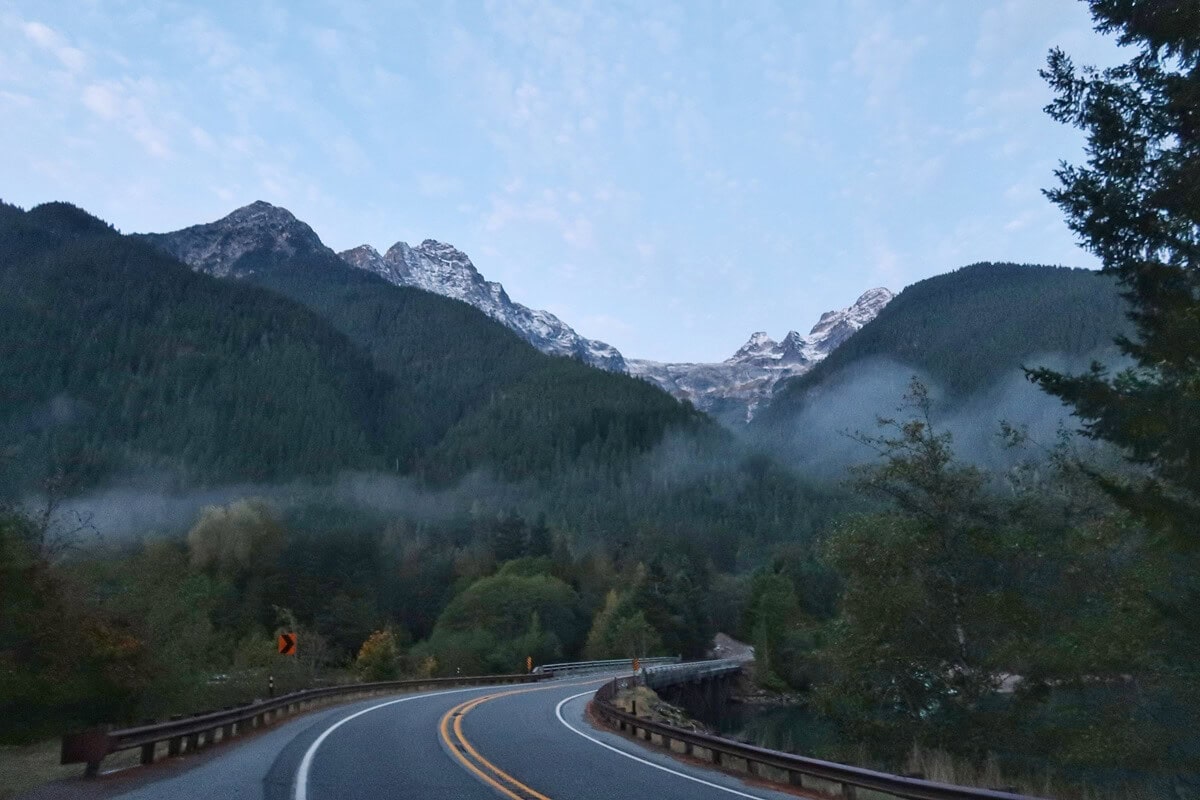
The Cascade Loop may just be Washington’s most epic road trip and here’s why: you get access to 1 national park, 17 state parks, 3 mountain passes, 2 national forests, and over 100 miles of shoreline.
I can’t tell you how many times I’ve driven stretches of this route and wished there was a pull-off. On my way to hike Blue Lake one morning, I was so captivated by the snow-dusted peaks and mist hanging over the forest that I pulled over at the next available spot.
Plan for at least three days to enjoy the drive without feeling rushed, but there’s enough to do to fill a week — if not weeks — of travel.
Don’t Miss
- Leavenworth and the Cascade foothills
- Highway 20 through the North Cascades
- Whidbey Scenic Isle Way and Deception Pass
Travel Tip
The North Cascades Highway closes seasonally in winter, but individual sections, including Stevens Pass and Whidbey Island, are accessible year-round.
5. Coastal Scenic Byways — Highway 112 and Pacific Coast Scenic Byway
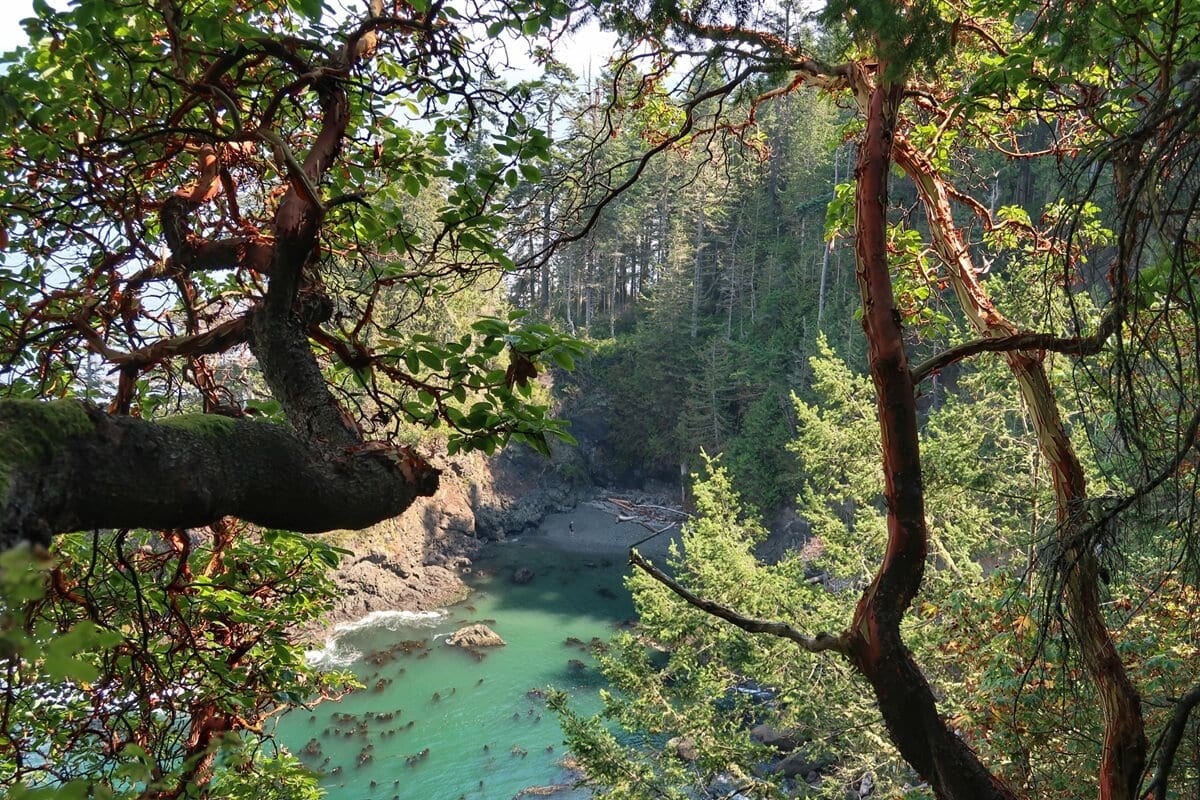
Some of Washington’s most beautiful coastal scenery can be experienced from the road, particularly along Highway 112 on the northern Olympic Peninsula and the Pacific Coast Scenic Byway along Highway 101.
One of our favorite places to RV camp is Salt Creek Recreation Area, just off Highway 112. But you don’t have to camp here to explore tidepools at Tongue Point, walk the beach at Crescent Bay, and hike through coastal forests to viewpoints overlooking the Strait of Juan de Fuca.
Farther south, the Pacific Coast Scenic Byway takes you past rugged beaches, coastal forests, and wind-blown trees. I can’t help but pull over at Ruby Beach and Kalaloch Lodge to explore the coastline.
Don’t Miss
- Salt Creek Recreation Area
- Shipwreck Point Conservation Area
- Olympic Peninsula’s Pacific coast
Travel Tip
Highway 112 is a winding, two-lane road that takes longer to drive than the mileage might suggest. We drove our 28-foot RV all the way to Neah Bay and had no trouble navigating the road in daylight.

get clarity & confidence
Not Sure Which Destinations to Visit?
Let’s build a custom trip that gets you the most from your time and money.
Best Small Towns in Washington
Washington’s small towns are as diverse as its landscapes. But their unique identities are what make them worth visiting.
Leavenworth and Port Townsend are destinations I’d recommend staying at least one night in, rather than treating them as quick stops along the way.
6. Leavenworth
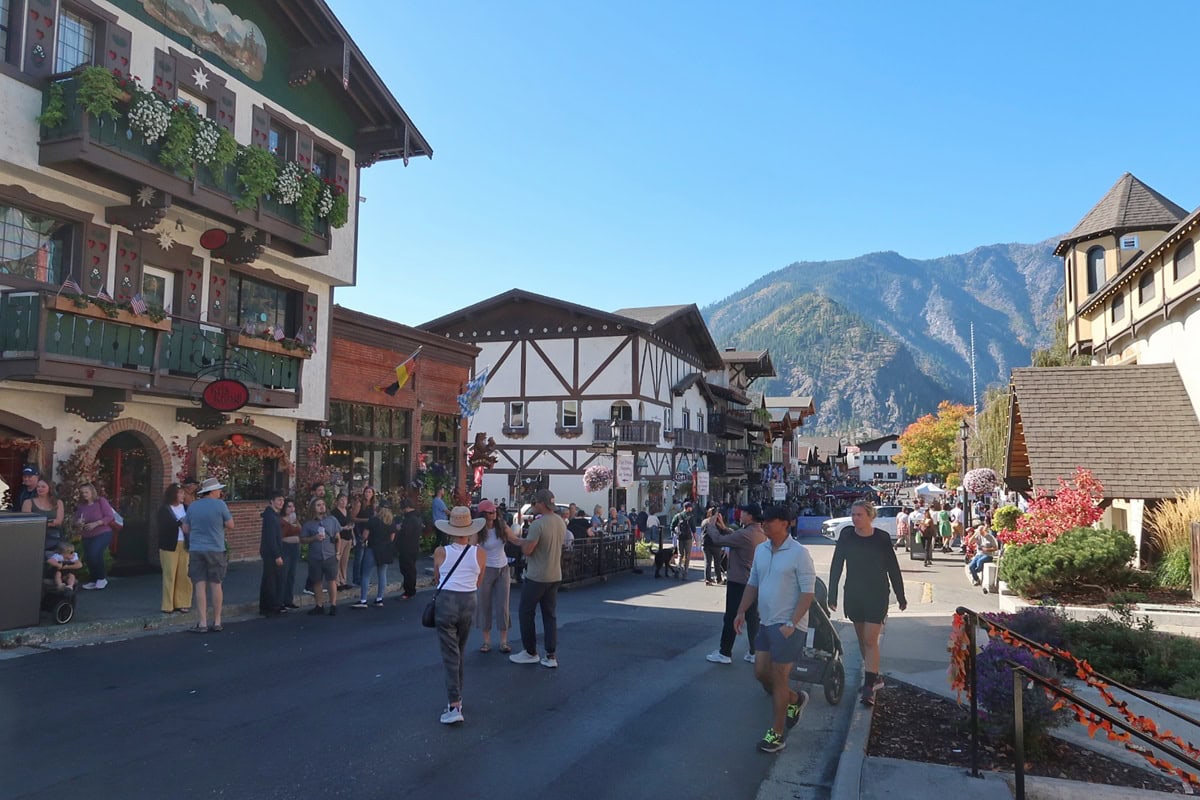
Leavenworth is Washington’s premier mountain town, where you’ll experience Bavarian-style architecture, German food, and festivals while surrounded by the dramatic peaks of the Cascade Mountains.
You can spend the morning hiking in the mountains and the evening enjoying a lively downtown.
On my most recent visit in early October, I experienced Oktoberfest, listened to live Swiss yodeling, walked along the Wenatchee River, and enjoyed some of the best food I’ve had in a Washington mountain town.
Don’t Miss
- Hiking off Icicle Road
- Festival of Lights at Christmas
- Floating the Wenatchee River (summer)
Travel Tip
I stayed at Sleeping Lady Mountain Resort during Oktoberfest, just a short drive from the village, and loved returning to its quiet, forested setting after spending time in the crowded town center.
7. Port Townsend

Walking through the downtown of this small coastal city is like taking a trip back in time.
Historic buildings, independent shops, and restaurants — including Owl Sprit Cafe, my favorite place to get lunch — line aptly named Water Street, while Uptown’s grand Victorian homes overlook Admiralty Inlet.
Its Victorian seaport aesthetic manages not to feel outdated, however. The spirit of Port Townsend is unmistakably driven by a sense of creativity and an independent ethos — which makes it feel fresh and modern.
Don’t Miss
- Ferry views from Tyler Street Plaza
- Vanishing murals of Port Townsend
- Fort Worden State Park’s beaches, trails, and bunkers
Travel Tip
Port Townsend is an out-of-the-way stop on the way to Olympic National Park that’s worth it if you love to explore unique towns. An afternoon will give you a taste, but staying one night gives you time to slow down and explore Fort Worden, too.
Salish Sea Islands
Exploring Washington’s islands is one of the most memorable ways to experience the Salish Sea, but deciding which to visit depends on how much time you have and what you want to do.
The San Juan Islands are worth planning several days around, while Whidbey Island makes an excellent weekend getaway. Bainbridge Island can easily be visited on a day trip from Seattle.
8. San Juan Islands
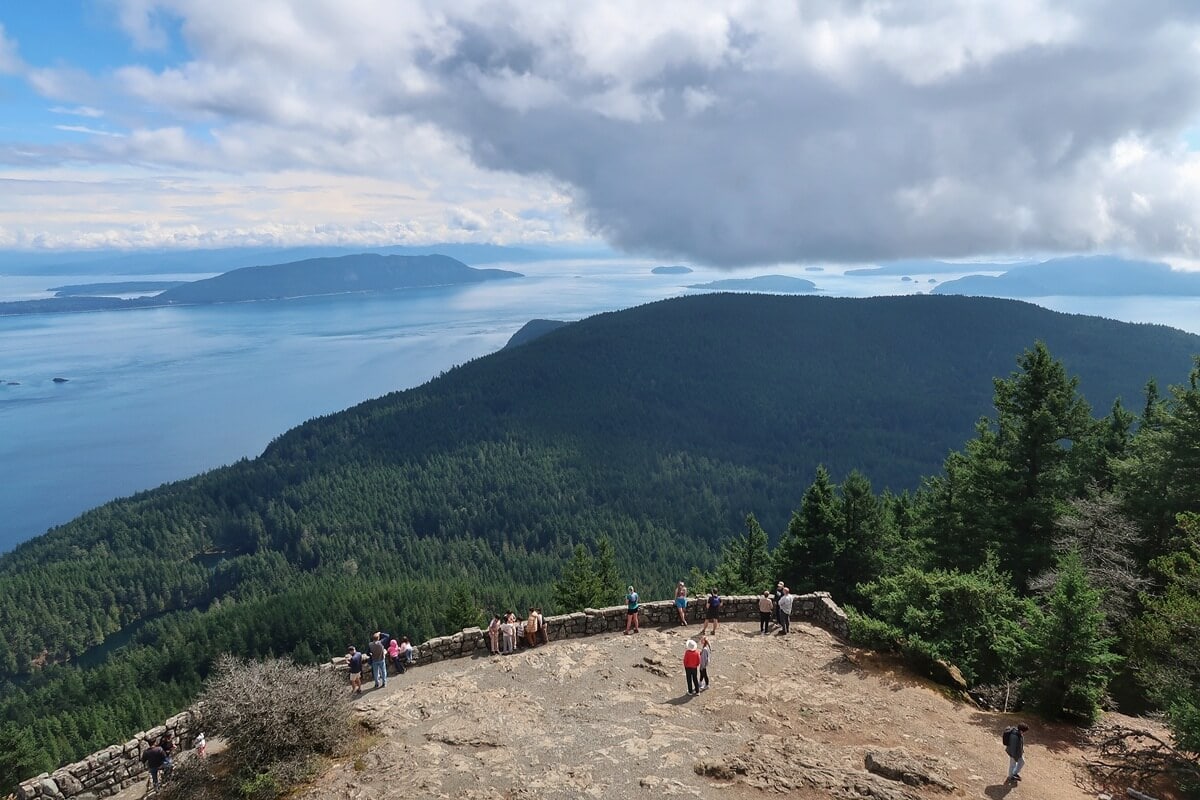
There’s something uniquely “Washington” about traveling by ferry through the Salish Sea to the San Juan Islands. The journey feels like part of the vacation, because it is.
Doesn’t matter that I’ve stood outside on ferry decks for decades. The sight of forested shorelines, the bobbing heads of sea lions, and the expansive sky spanning the water is still a thrill.
On my most recent trip, I stayed on Orcas Island and explored Moran State Park, where the views from Mount Constitution stretched across the surrounding islands and waterways.
But the scenes captured in local artist James Hardman’s paintings of native Pacific Madrone trees along island cliffs and shorelines are what linger months later.
Don’t Miss
- Whale watching in the Salish Sea
- Exploring Friday Harbor on San Juan Island
- Hiking and kayaking at Moran State Park
Travel Tip
Anacortes is the main departure point for San Juan Islands ferries. If you weren’t able to reserve a spot for your vehicle in advance, check again when more reservations are released. I was online right at 7am, two days before my late August trip, and got one.
9. Whidbey Island
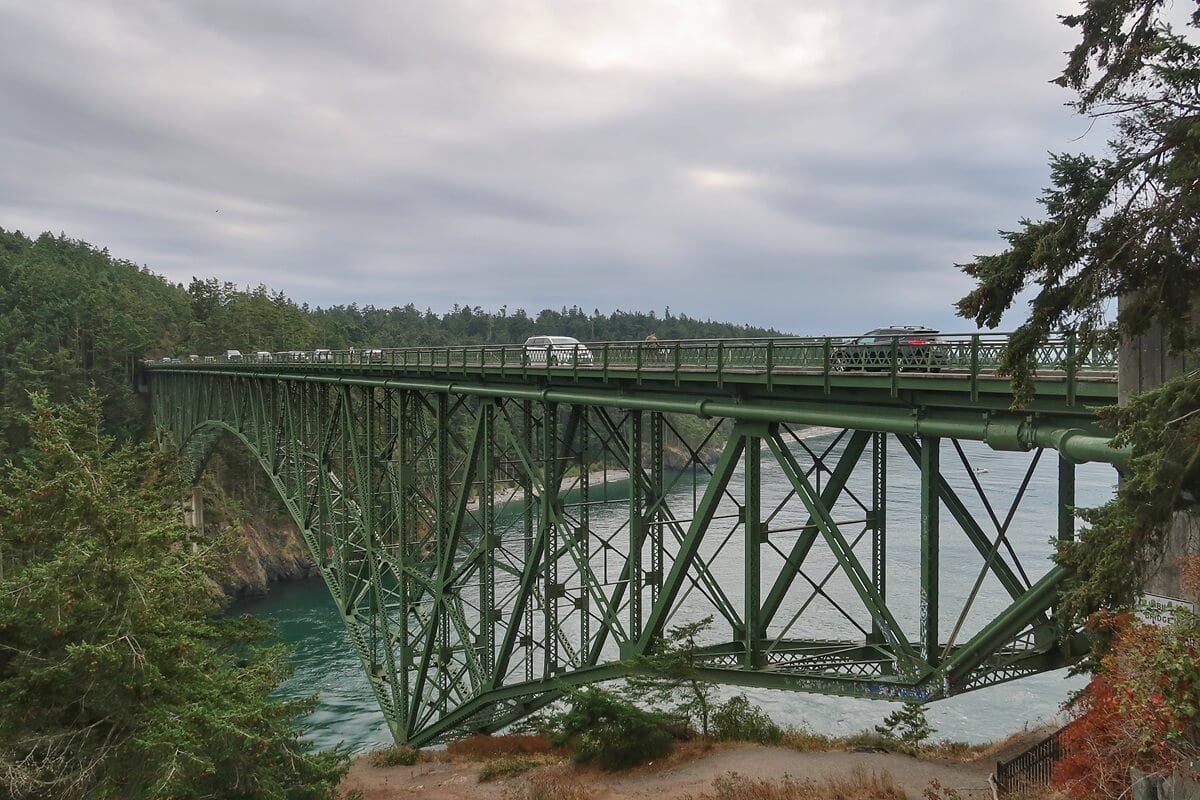
Whidbey Island is Washington’s largest island, with charming historic towns, forests, and farmland all connected by a scenic drive along the Whidbey Scenic Isle Way.
At the island’s northern end, Deception Pass State Park is especially spectacular, with its rocky cliffs, stretches of sandy beaches, and iconic bridge that spans the water between Whidbey and Fidalgo Islands.
Coupeville is one of our favorite weekend getaways — we take the ferry from Port Townsend, stay the night, and walk the beach every morning and evening.
Farther south, Langley offers a different kind of escape, with waterfront restaurants, independent shops, and the upscale Inn at Langley, where guests can enjoy views across Saratoga Passage toward Mount Baker.
Don’t Miss
- Historic Coupeville and its waterfront
- Fort Ebey State Park
- The sculptures and forest trails at Earth Sanctuary
Travel Tip
Enter Whidbey Island from the north via Deception Pass Bridge and continue south to Clinton, where you can take the ferry to Mukilteo, or vice versa. This lets you explore the island without backtracking.
10. Bainbridge Island
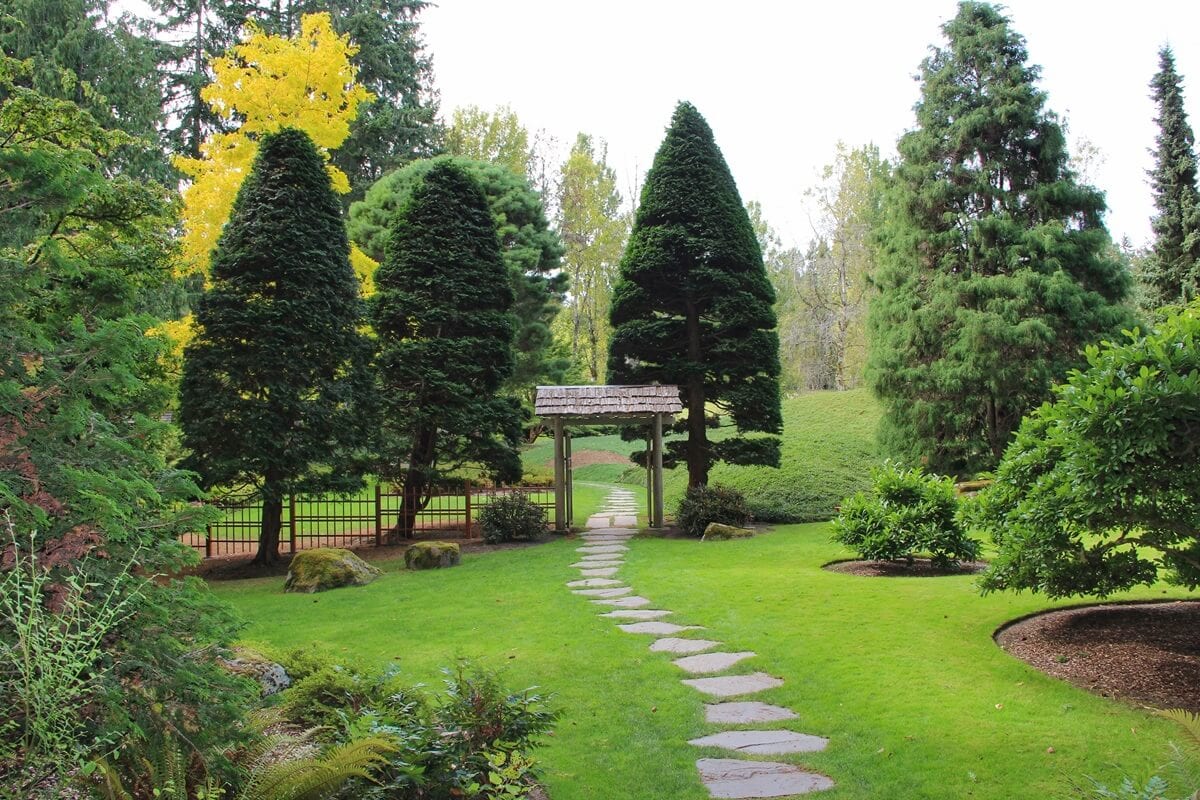
Just 30 minutes by ferry from downtown Seattle, Bainbridge Island offers forest trails, beaches, and a walkable downtown.
I live just 20 minutes from Bainbridge, but my fondest connection is helping launch the Bainbridge Island Museum of Art (BIMA), one of the first buildings visitors see when they exit the ferry terminal.
While the shops and restaurants on Winslow Way make it an easy destination to explore on foot, one of the best reasons to visit is Bloedel Reserve, a short drive from downtown.
This extraordinary public garden — where I learned to propagate plants as a volunteer — features cultivated landscapes that are every bit as stunning as Washington’s native forests.
Don’t Miss
- The Grand Forest’s network of trails
- Bainbridge Island’s Troll, Pia the Peacekeeper
- The Bainbridge Island Japanese American Exclusion Memorial
Travel Tip
I recommend the Seattle-Bainbridge ferry over the Bremerton ferry when traveling to Olympic National Park. It’s a shorter ride with a more direct route to the Hood Canal Bridge.
Washington Coast Destinations
When most people think of Washington’s coast, they think of the Pacific Ocean. But our coast also includes the Strait of Juan de Fuca and other waterways of the Salish Sea.
Choose which stretches you most want to explore rather than trying to fit everything into one short road trip.
11. Cape Flattery & Neah Bay
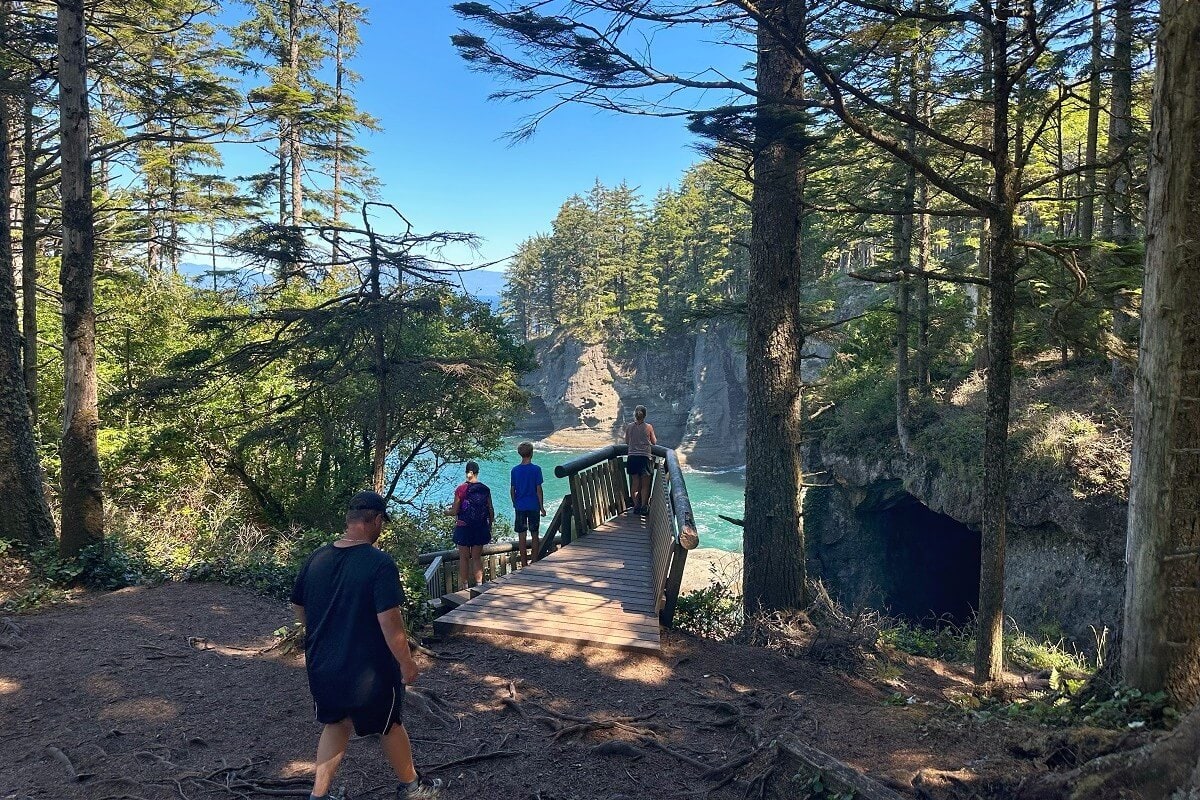
Cape Flattery, one of Washington’s most dramatic coastal viewpoints, marks the confluence of the Pacific Ocean and the Strait of Juan de Fuca.
It’s the northwesternmost point of the contiguous United States, located on the Makah Reservation in Neah Bay.
I could have listened to the waves crash against the rocky cliffs for hours when we last visited.
On that trip, I also did the 8.8-mile round-trip beach hike to Point of Arches, an extraordinary configuration of monolithic rock and sea stacks at the south end of Shi Shi Beach, best explored at low tide.
Don’t Miss
- Views toward Tatoosh Island and its lighthouse
- The Whale Trail, where gray whales are commonly seen
- The Makah Cultural and Research Center in Neah Bay
Travel Tip
Cape Flattery is a significant detour from the main Highway 101 loop, so visit when you can add stops along the way, like Salt Creek Recreation Area off Highway 112 and the Makah Museum in Neah Bay.
12. Washington’s Historic Coastal Forts
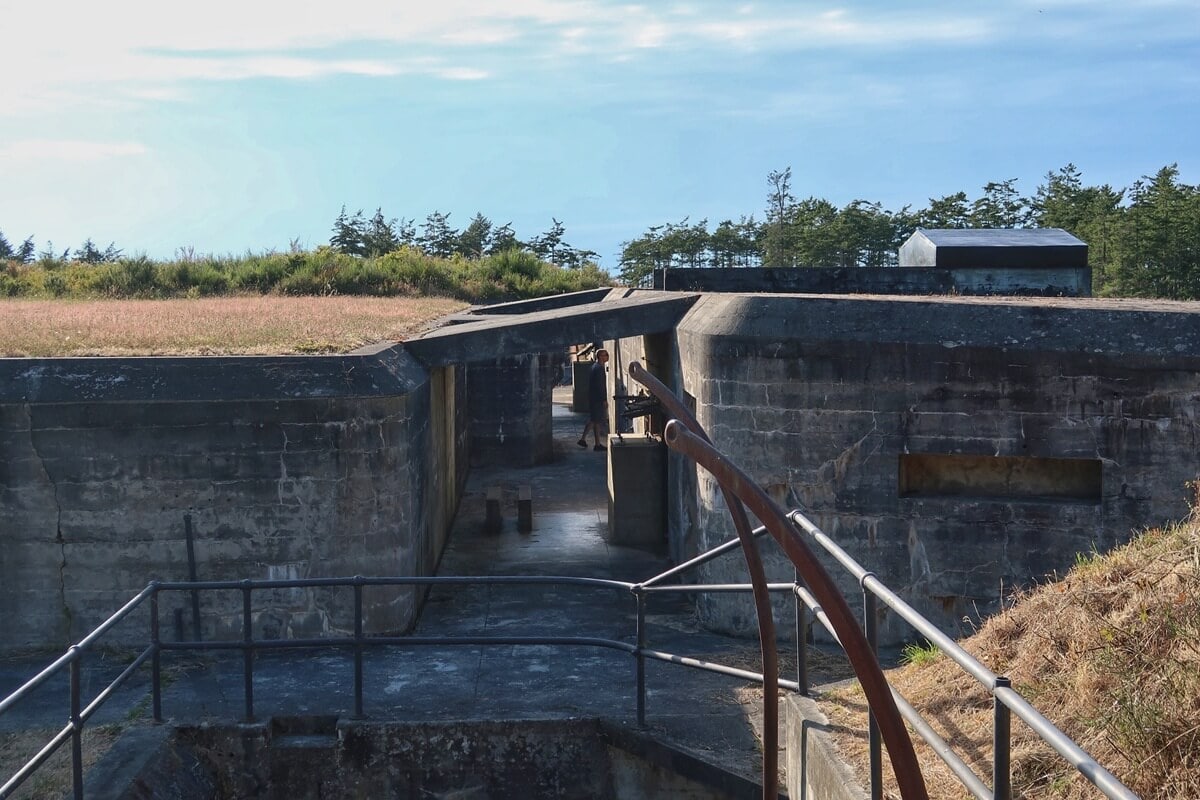
Washington’s historic coastal forts offer a fascinating combination of military history and outdoor recreation.
Built to defend the entrance to Puget Sound, Fort Worden, Fort Flagler, and Fort Casey are now state parks where visitors can explore miles of beaches, coastal forests, and even stay the night in well-kept military quarters.
What I find most appealing is how, over time, nature has reclaimed the manmade structures. From a distance, you might think you’re looking at a field of grass, only to walk closer and discover a network of concrete fortifications you can wander through.
Don’t Miss
- Blufftop views and beaches at Fort Worden
- Historic gun batteries and coastal trails at Fort Flagler
- Admiralty Head Lighthouse at Fort Casey
Travel Tip
You don’t need to visit all three forts. Fort Worden pairs naturally with Port Townsend, Fort Flagler makes a worthwhile detour on Marrowstone Island, and Fort Casey is easy to combine with a Whidbey Island road trip.
13. Long Beach Peninsula
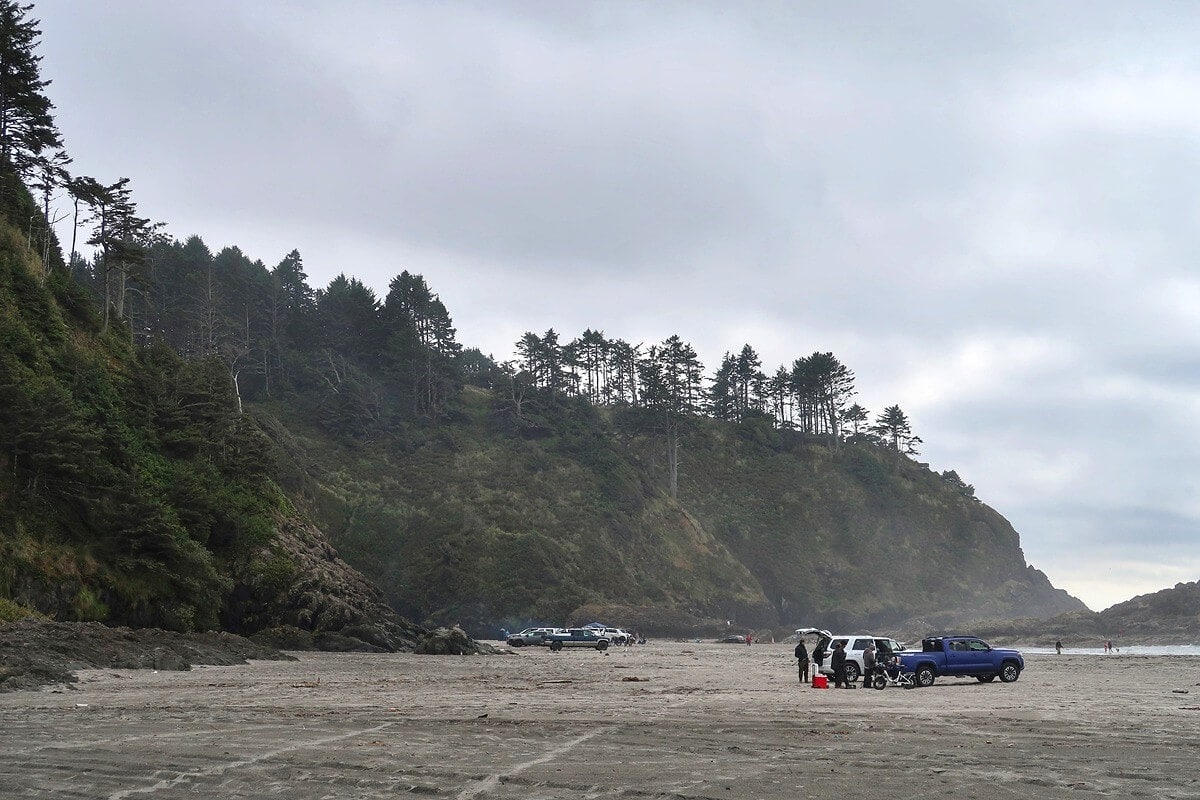
The Long Beach Peninsula is home to Washington’s longest continuous sandy beach, stretching for 28 miles along the Pacific Ocean.
Long Beach offers an enormous expanse of sand where you can walk, ride bikes, and even drive onto designated sections of the beach.
When I last visited, families were set up for the day with beach chairs, picnic supplies, and everything they needed for an afternoon of swimming and relaxing by the ocean.
Every August, the Washington State International Kite Festival fills the sky with colorful kites of all shapes and sizes.
Don’t Miss
- Renting e-bikes to ride on the Discovery Trail
- Driving on the beach to Beard’s Hollow
Travel Tip
Beach driving is allowed in designated areas, but check tide conditions before heading onto the sand and stay on the hard-packed surface. Soft sand can leave vehicles stuck.
14. Cape Disappointment State Park
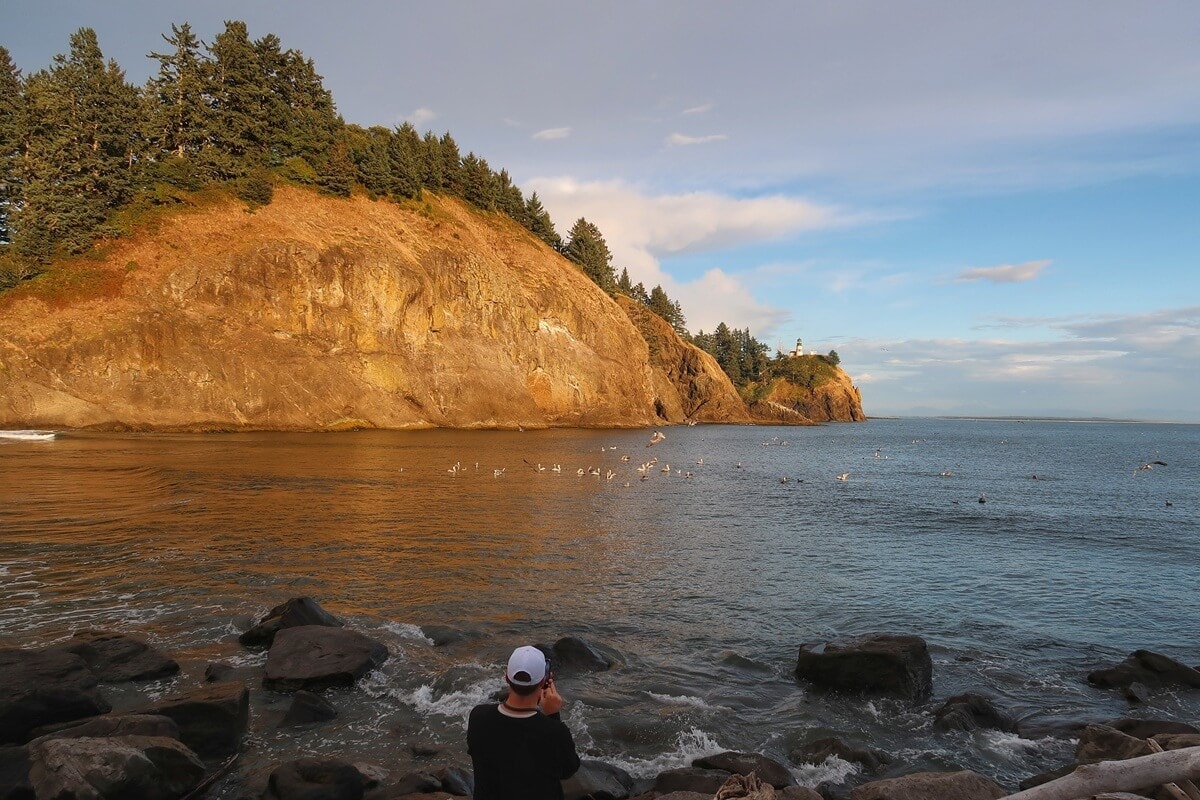
On the southern tip of the Long Beach Peninsula, Cape Disappointment State Park overlooks the confluence of the Columbia River and Pacific Ocean and marks the western end of the Lewis and Clark National Historic Trail.
Here, you’ll find dramatic cliffs, sheltered coves, historic lighthouses, and towering Sitka spruce.
I’ll never forget watching hundreds of seabirds diving for fish at Waikiki Beach, with Cape Disappointment Lighthouse perched above them. Later, I caught a spectacular sunset from a shoreline trail while the North Head Lighthouse flashed in the distance.
And on a sunny summer day, Deadman’s Cove is easily one of Washington’s most beautiful beaches.
Don’t Miss
- Cliff views from the North Head Trail
- Lewis & Clark Interpretive Museum
Travel Tip
You can spend the night on the grounds of the North Head Lighthouse. Historic lighthouse keeper’s residences are available as vacation rentals within the state park.
Seattle’s Best Tourist Attractions
If you’re visiting Washington for the first and perhaps only time, spend some time in Seattle rather than treating it as just the city you fly into.
Beyond its famous downtown attractions, some of my favorite places in Seattle are its parks and outdoor spaces that connect the city to its surrounding waterways.
15. Downtown Seattle Attractions
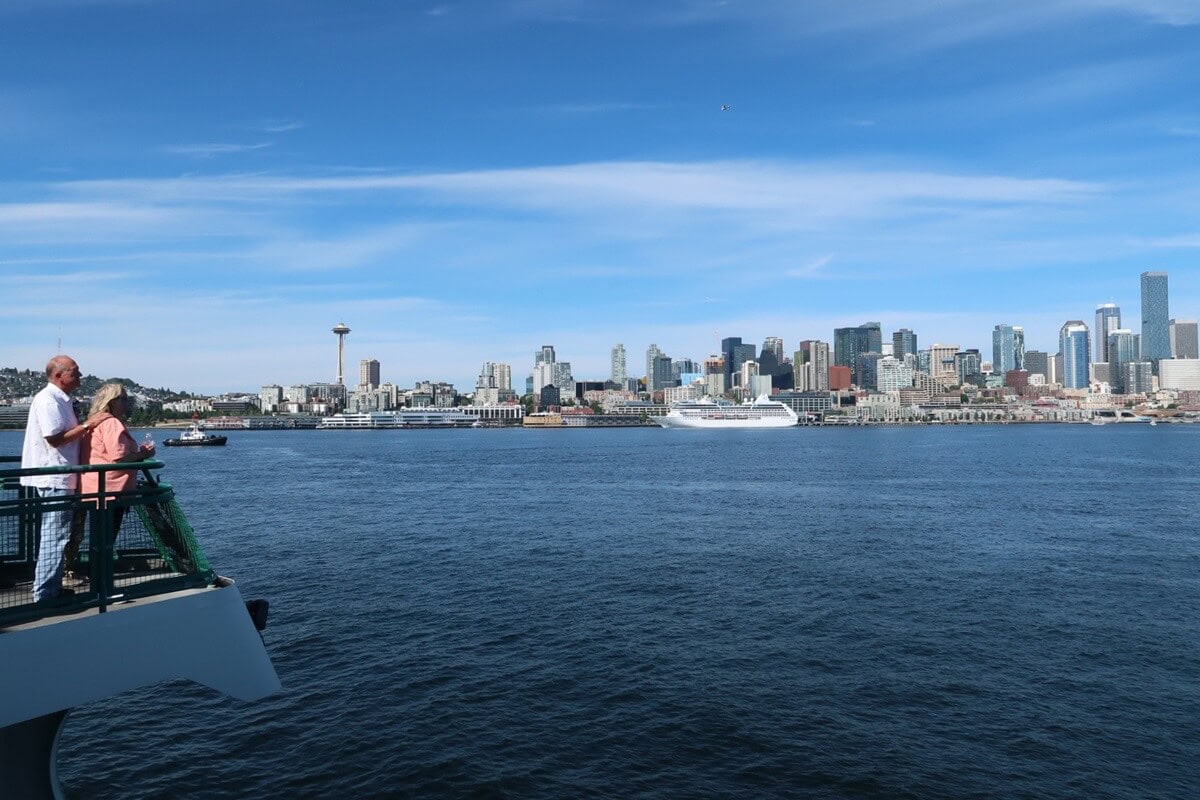
It always surprises me how quickly travel planning clients skip over downtown Seattle without a second thought.
Pike Place Market is a tourist destination, but there are some real treasures to discover in addition to flying fish, like the etched maps at Metsker Maps and the baklava from Turkish Delight.
A short distance away, Seattle Center is home to Chihuly Garden and Glass, the International Fountain, and of course, the iconic Space Needle.
But what makes the city rare and special is its setting between Puget Sound and the Cascade and Olympic Mountains.
Don’t Miss
- Dinner at The Pink Door at Pike Place
- Architecture and views at the Seattle Public Library
- Sky View Observatory at the Columbia Center
Travel Tip
Check public parking garage locations before your trip and choose one that’s central to what you want to see. Then walk to your destinations. This is how I get around, or I use Lyft. Another option is to rent an electric scooter or bike through Lime.
16. Seattle Parks & Outdoor Spaces
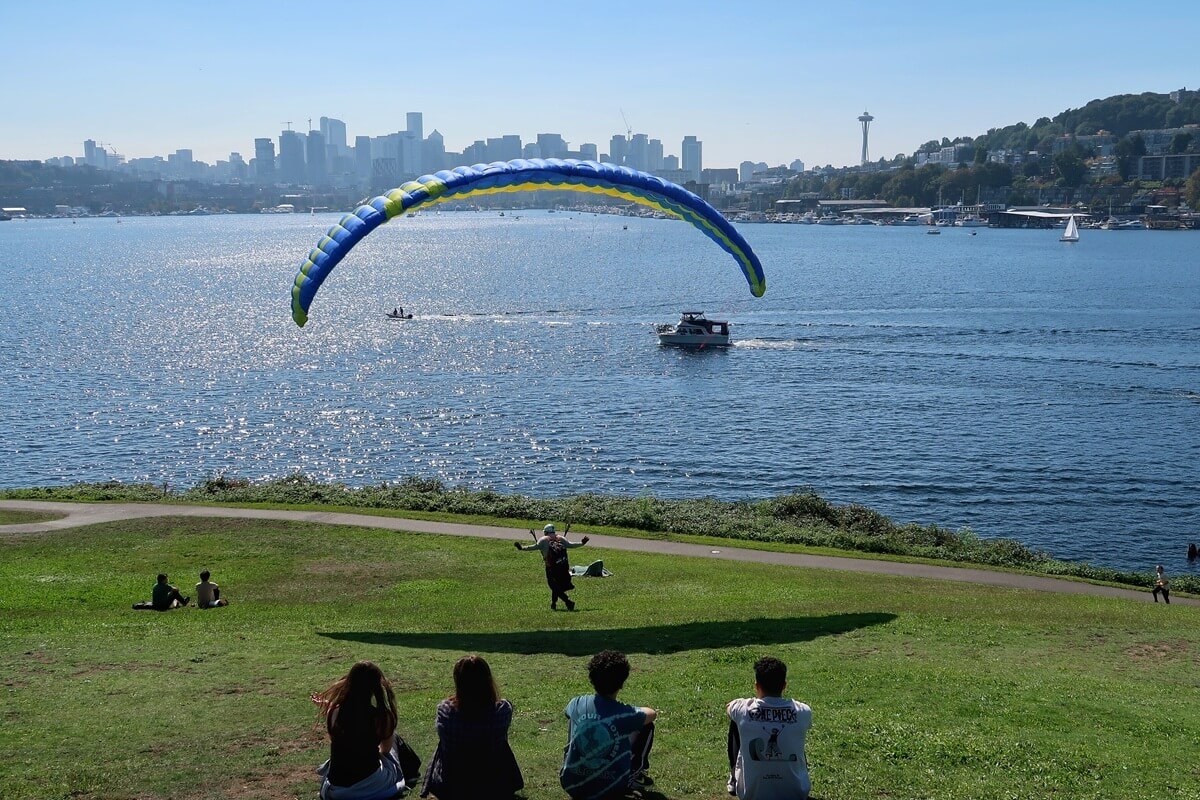
One of the best things about Seattle is how easily you can escape the busy city streets and find yourself surrounded by trees, gardens, beaches, and incredible mountain views.
There’s so much to choose from — watching the seaplanes over Gas Works Park, seeing Mount Rainier from Kerry Park, or walking the Japanese Garden at the Washington Park Arboretum.
Discovery Park is a local favorite, offering miles of trails through forests and open meadows leading to beaches along Puget Sound.
But if I had to pick a favorite, I’d choose the Ballard Locks. You can watch boats pass between Puget Sound and Lake Washington and — during salmon migration season — see fish moving through the fish ladder.
Don’t Miss
- Coastal trails and beaches at Discovery Park
- Mount Rainier views from Kerry Park
- Gardens and walking paths at Washington Park Arboretum
Travel Tip
Seattle’s best parks and outdoor attractions are spread across several neighborhoods, so choose one or two that are most appealing to you if you’re short on time.
get LOCAL INSIGHT
Want quick clarity?
Get clarity on one key decision. Sessions start at $40.
Cascade Mountains Destinations
Washington has so many spectacular mountain destinations that this was perhaps the hardest section to narrow down.
These five offer distinctly different experiences — from the blast zone of Mount St. Helens and quieter forests around Mount Adams to alpine lakes, Mount Baker’s mountain views, and Snoqualmie Pass trails within easy reach of Seattle.
17. Snoqualmie Pass & Snoqualmie Falls
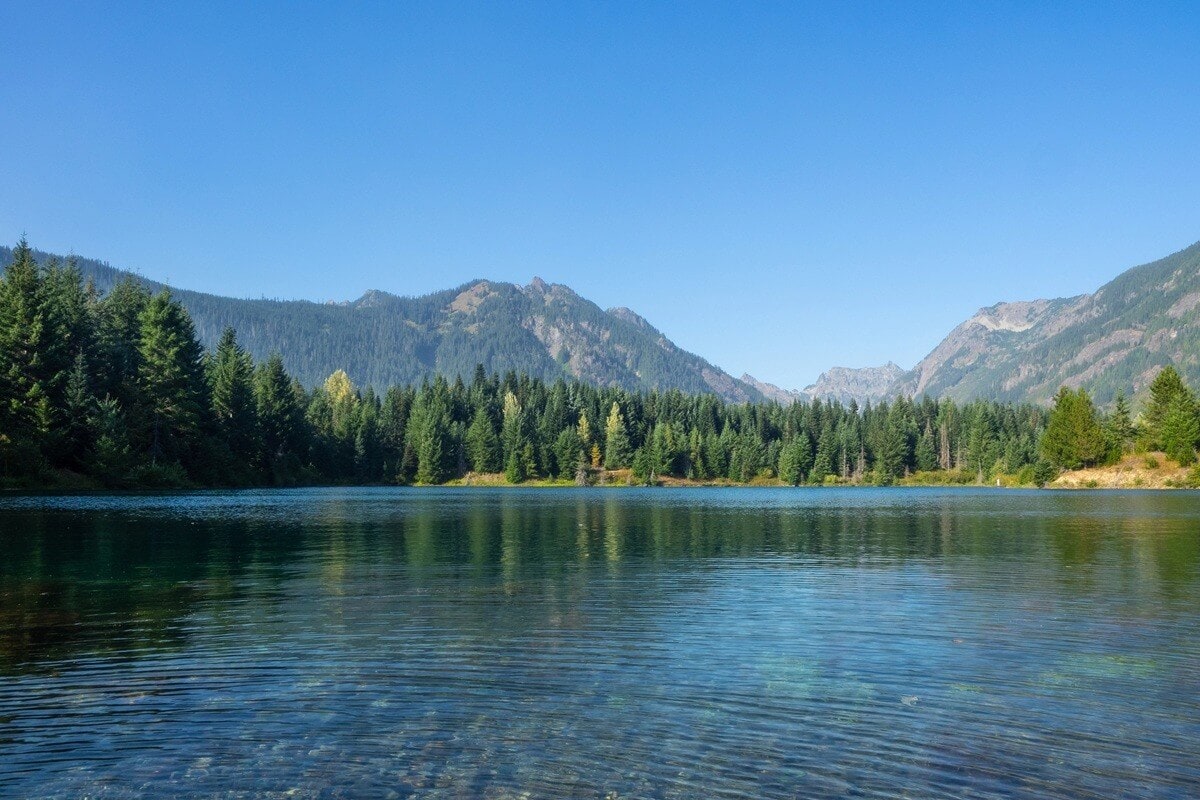
Just east of Seattle, Snoqualmie Pass is where many Seattle-area hikers head when they don’t want to travel too far to experience forest trails and alpine lakes.
You can start at Snoqualmie Falls — a 268-foot waterfall that plunges into a deep gorge surrounded by forest — and end in Cle Elum. The views you’ll see make driving along I-90 an experience, too.
But there’s more to this area than its proximity to Seattle. I’ve hiked the Ira Spring Trail and still remember the impressive boulders and trees that lined Mason Lake.
In winter, Snoqualmie Pass transforms into a destination for skiing, snowboarding, snowshoeing, and cross-country skiing. Before heading over the pass, check road conditions.
Don’t Miss
- Snoqualmie Falls from the upper viewing area
- Olallie State Park hikes and waterfalls
- Mountain views around Snoqualmie Pass
Travel Tip
Snoqualmie Falls and Snoqualmie Pass are roughly 30 miles apart off I-90. If you’re starting in Seattle, you can visit the falls before continuing east on I-90 toward the pass.
18. Alpine Lakes Wilderness
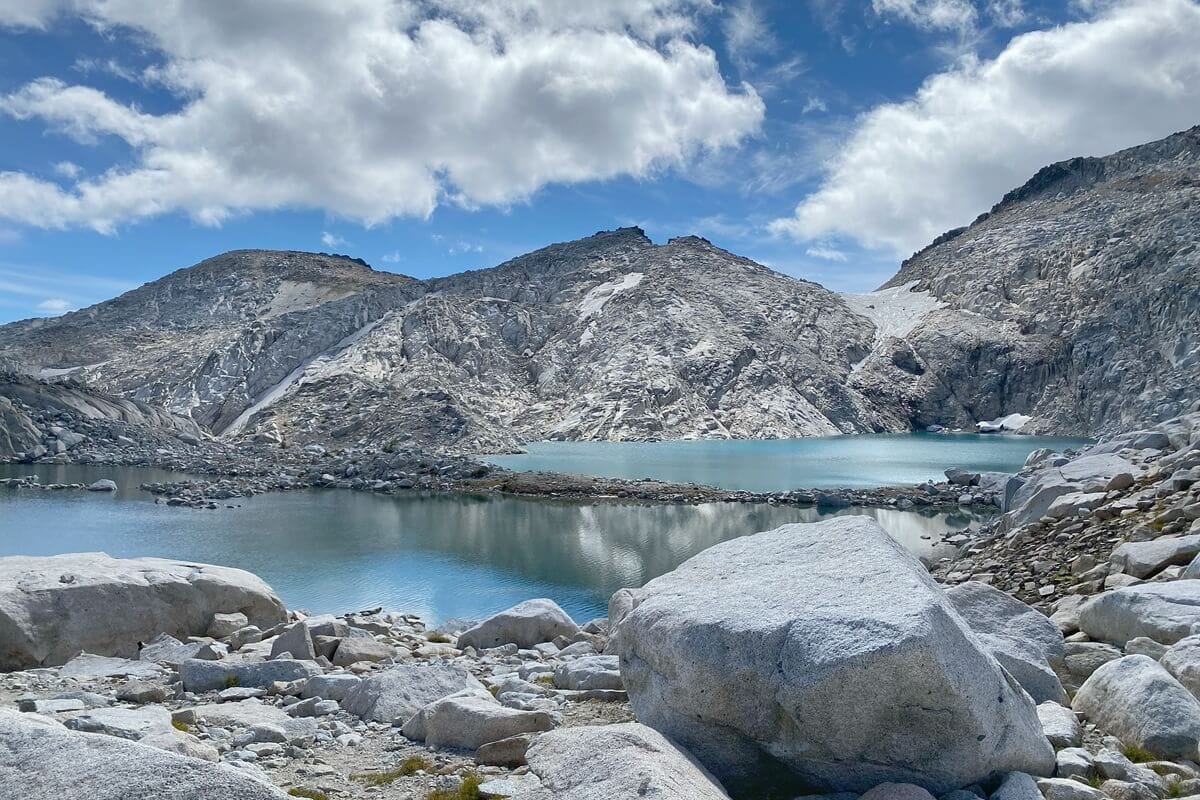
If you search for the best hikes in Washington, you’ll eventually come across Colchuck Lake. As a standalone hike, the reward-to-work ratio isn’t worth it in my opinion.
But we kept going, climbing the notoriously steep Aasgard Pass into the core of the Enchantments — where we saw glassy alpine lakes set against a mountainscape that felt like we’d landed on another planet.
And that’s just one corner of the Alpine Lakes Wilderness, which contains more than 700 alpine lakes and ponds and 615 miles of trails.
These beloved public lands have been protected as a designated wilderness area for more than 50 years, offering everything from easy forest walks to challenging alpine adventures.
Don’t Miss
- Day hike the Ira Spring Trail to Mason Lake
- Tuck and Robin Lakes backpacking
Travel Tip
If you want to backpack and camp overnight in the Enchantments, you’ll need to enter a competitive permit lottery held each year. Permits are highly sought after, so put lottery dates on your calendar well in advance.
19. Mount St. Helens
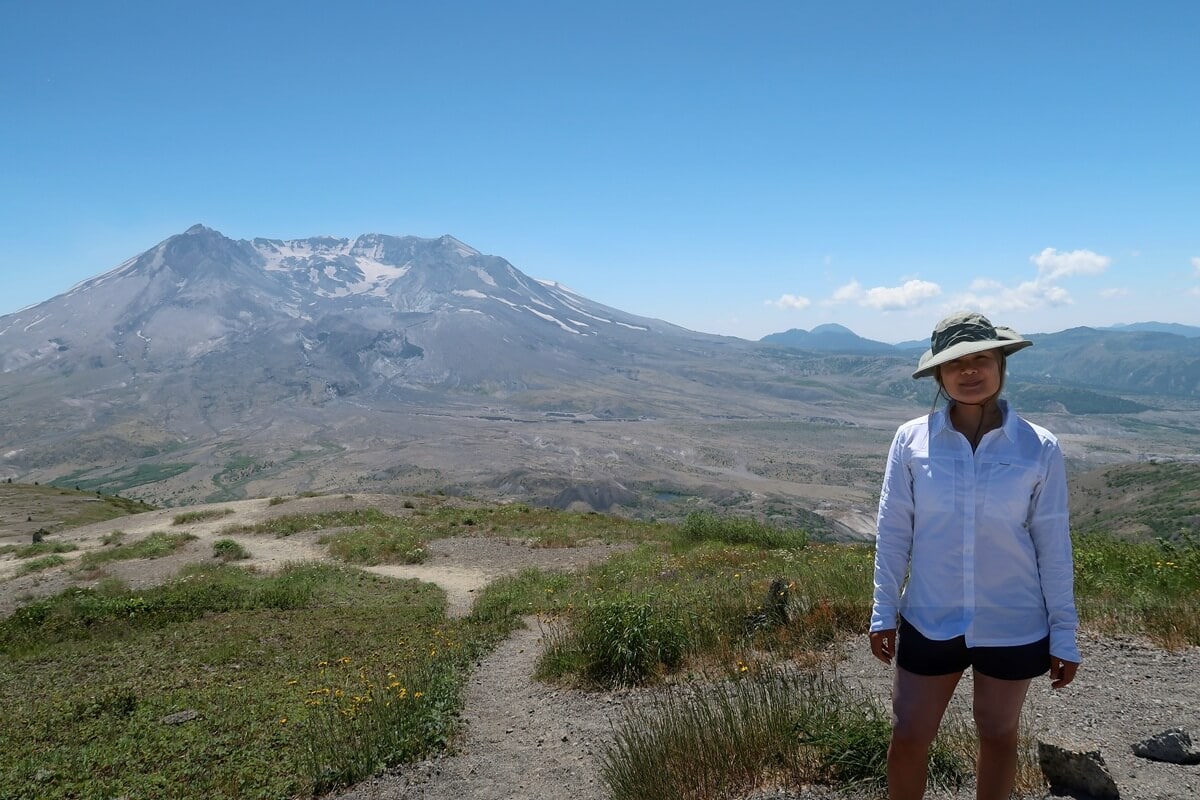
Mount St. Helens offers an extraordinary perspective on how the catastrophic 1980 eruption reshaped an entire mountain and the surrounding forests, lakes, and valleys.
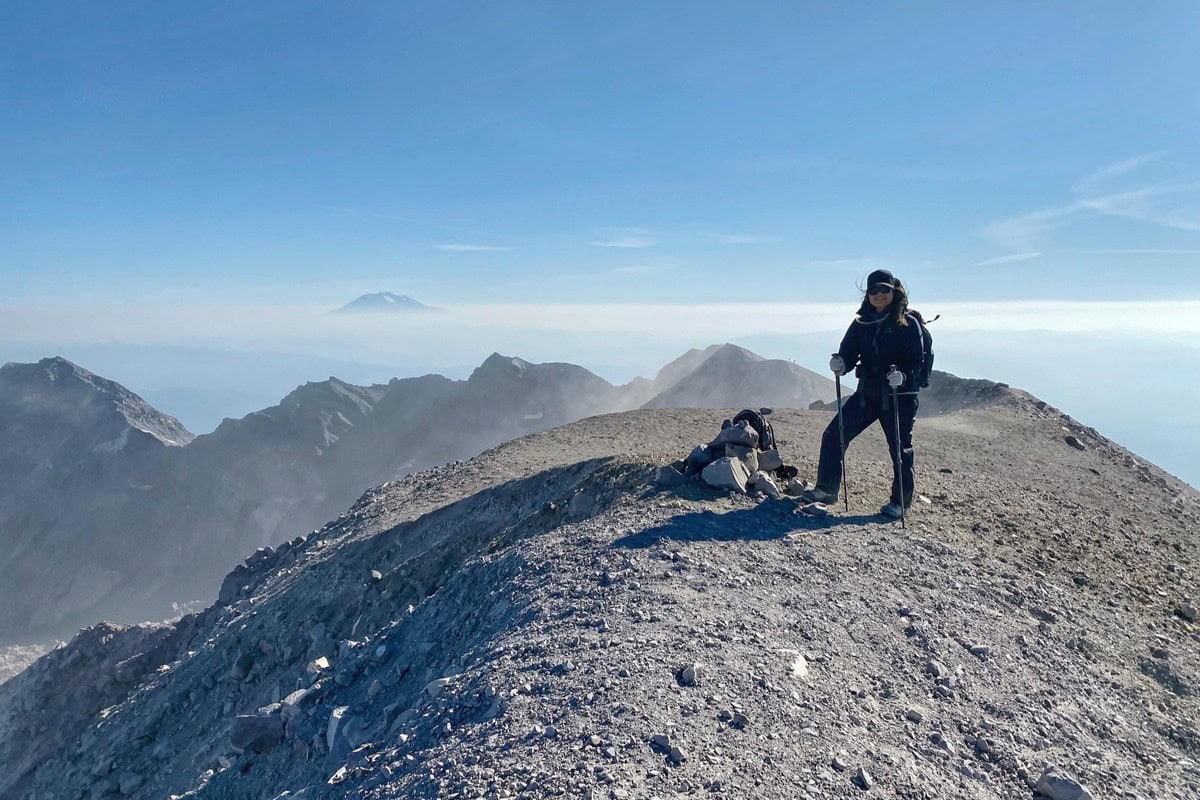
I’ve hiked in the blast zone and climbed to the summit, and what makes this volcano so fascinating is seeing the contrast between the barren volcanic landscape and the plants and forests slowly reclaiming it.
The summer summit route doesn’t require technical climbing skills, but it does demand strong fitness, preparation, and comfort navigating rugged terrain and scree.
I highly recommend it to experienced hikers who don’t mind a little scrambling for volcano views at the top.
Don’t Miss
- Coldwater Lake via Lakes Trail
- Exploring the lava tubes at Ape Cave
Travel Tip
Mount St. Helens has several distinct visitor areas, and the roads don’t connect directly around the mountain. Check current road and trail access before planning your visit.
20. Mount Adams
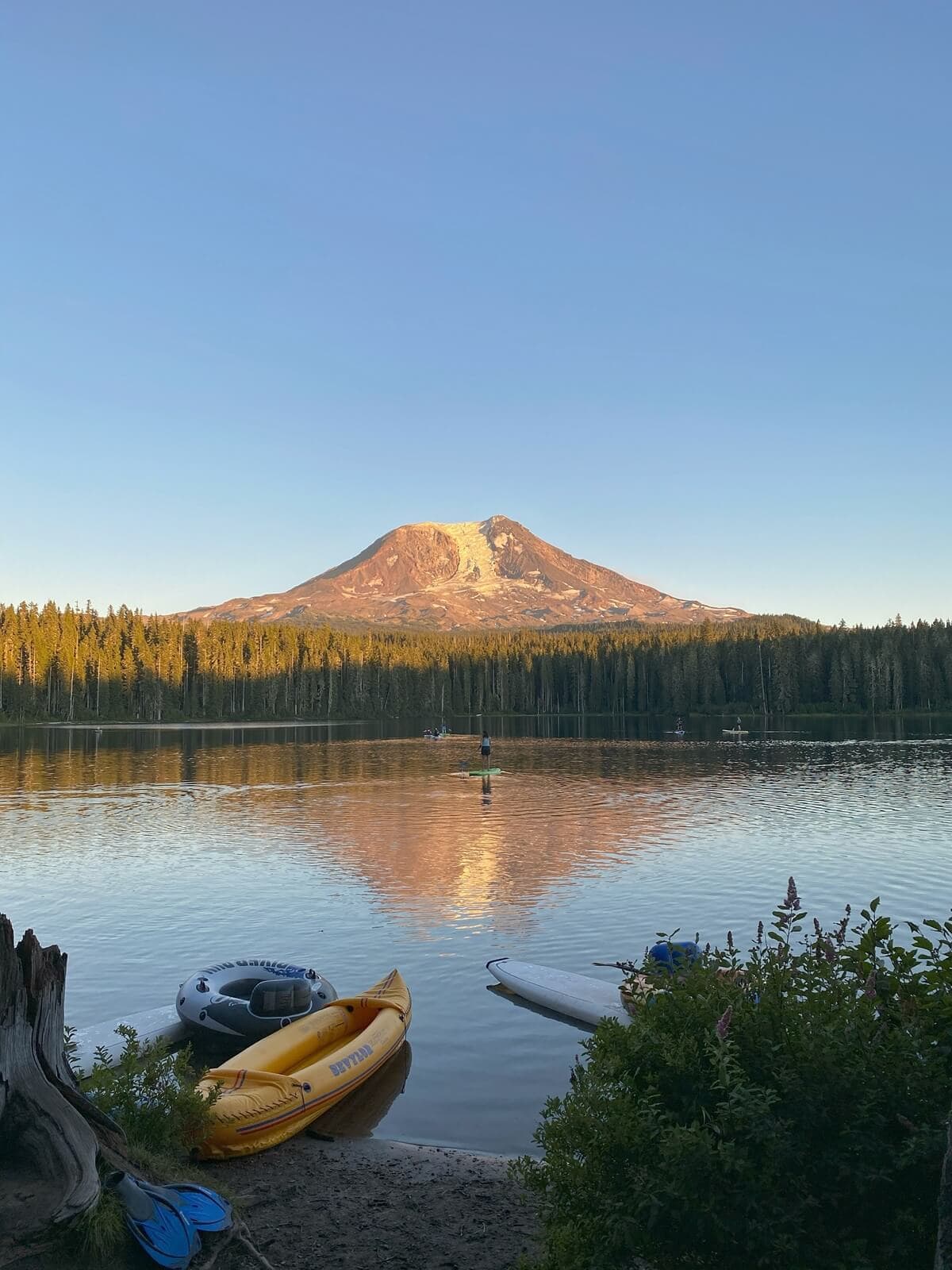
Mount Adams is Washington’s second-highest volcano, but unlike Mount Rainier, it doesn’t have a national park surrounding it.
Instead, you’ll find the Gifford Pinchot National Forest and its mountain lakes, forest trails, incredible opportunities for dispersed camping, and the small community of Trout Lake.
I’ve explored this area on two very different trips. One was a leisurely late-summer afternoon at Takhlakh Lake, relaxing along the shoreline and watching paddlers glide across the water with Mount Adams towering above.
The other was considerably more adventurous: summitting Mount Adams, with stays at the excellent Trout Lake Valley Inn before and after the climb.
Don’t Miss
- Killen Creek Trail to Killen Creek Meadows
- The view from Trout Creek Meadow
- Guler Ice Caves
Travel Tip
Trout Lake makes a convenient base for exploring Mount Adams, but you can also visit from White Salmon in the Columbia River Gorge. That’s where we stayed when I visited Takhlakh Lake.
21. Mount Baker
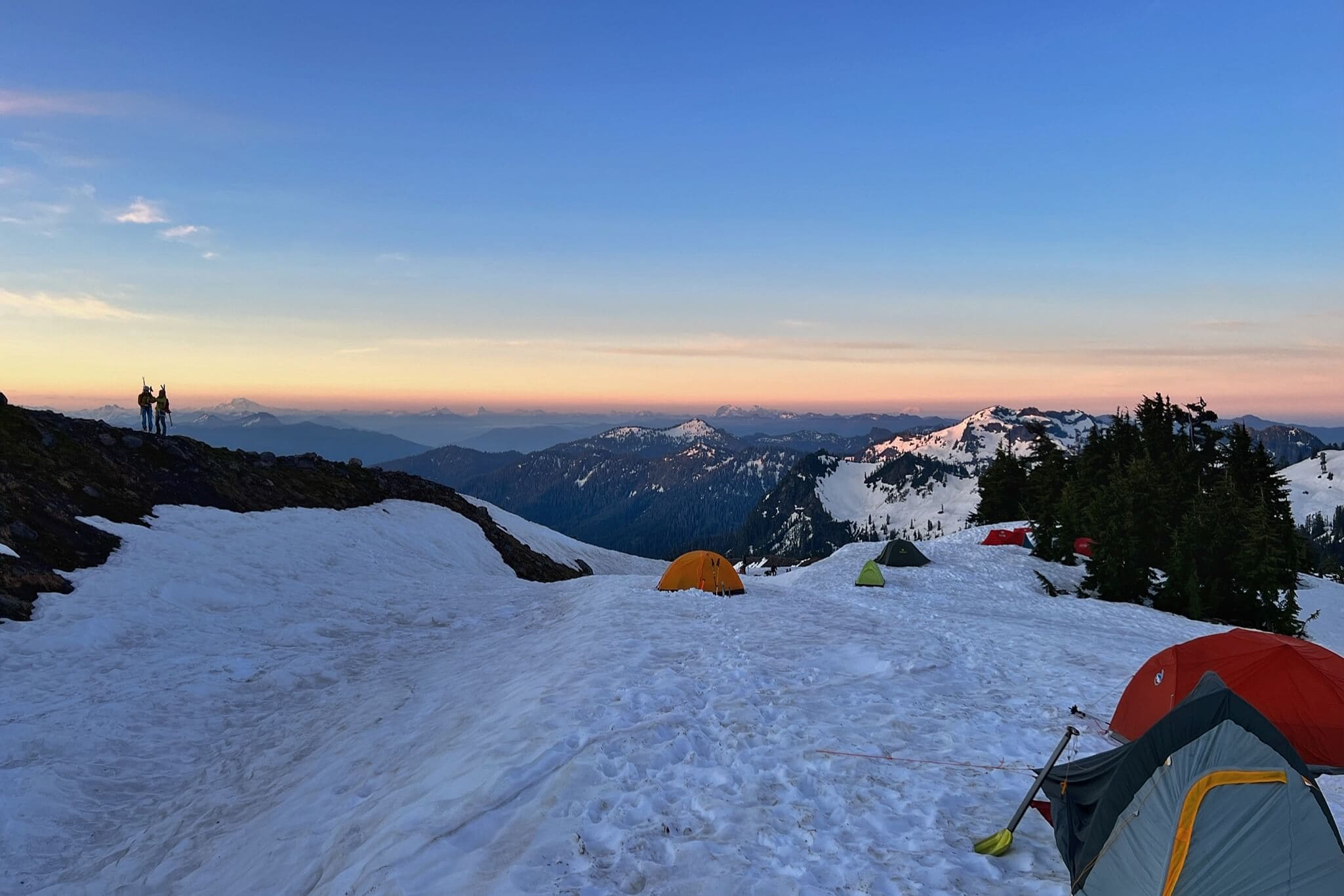
Mount Baker is the first Washington volcano I tried to summit.
Although I didn’t reach the top, I made it to Sherman Crater. Seeing steam rise from the crater reminded me that I was standing on an active volcano, not just another snow-covered mountain.
You absolutely do not need to climb it to experience its beauty. The Mount Baker Highway leads from the forests near Bellingham to Heather Meadows and Artist Point, where the alpine scenery is extraordinary.
Even a short and easy hike to Huntoon Point via the Artist Ridge Trail will give you views of Mount Baker, Mount Shuksan, and Baker Lake.
Don’t Miss
- Picture Lake with Mount Shuksan in the background
- Hiking around Heather Meadows and Bagley Lakes
- Wildflowers and alpine scenery along the Chain Lakes Loop
Travel Tip
If your main goal is to see alpine scenery with fewer crowds than Mount Rainier, Mount Baker is worth considering. But check road access first if you plan to head to Artist Point. Lingering snow can remain well into summer.
Washington Lakes & Waterways
Washington’s lakes and rivers offer more than beautiful scenery. Each destination on this list offers an excellent starting point for exploring the surrounding outdoors.
You can spend several days enjoying a summer lake vacation, explore a mountain lake surrounded by old-growth forests, or follow the Columbia River through one of the state’s most dramatic landscapes.
22. Lake Crescent

Log Cabin Resort on Lake Crescent was our go-to RV camping spot for many years, where we spent many afternoons relaxing on the shoreline, watching ducks glide past stand-up paddlers.
Lake Crescent is one of Washington’s most beautiful mountain lakes, unique because of its striking blue-green water and the forested Olympic Mountain peaks surrounding it.
What I love most is how many different ways there are to enjoy it. I’ve kayaked to Devil’s Punchbowl, hiked to Marymere Falls while marveling at the beauty of the forest floor, and enjoyed lunch overlooking the lake from the summit of Mount Storm King.
Don’t Miss
- Walking the dock at Lake Crescent Lodge
- Big-leaf maple tree and lake views near the Fairholme Dock
Travel Tip
The trails near Lake Crescent Lodge, including Marymere Falls, are the busiest. If parking near the lodge is full, try the day-use areas at Log Cabin Resort or Fairholme Campground instead.
23. Hood Canal & Lake Cushman
Hood Canal stretches along the eastern Olympic Peninsula. Between Hoodsport and Quilcene, you’ll find mountain lakes, hiking trails, estuaries, and opportunities to see wildlife.
Near Hoodsport, Lake Cushman is a popular mountain lake and gateway to the Staircase area of Olympic National Park, and the first area that I fell in love with on the peninsula.
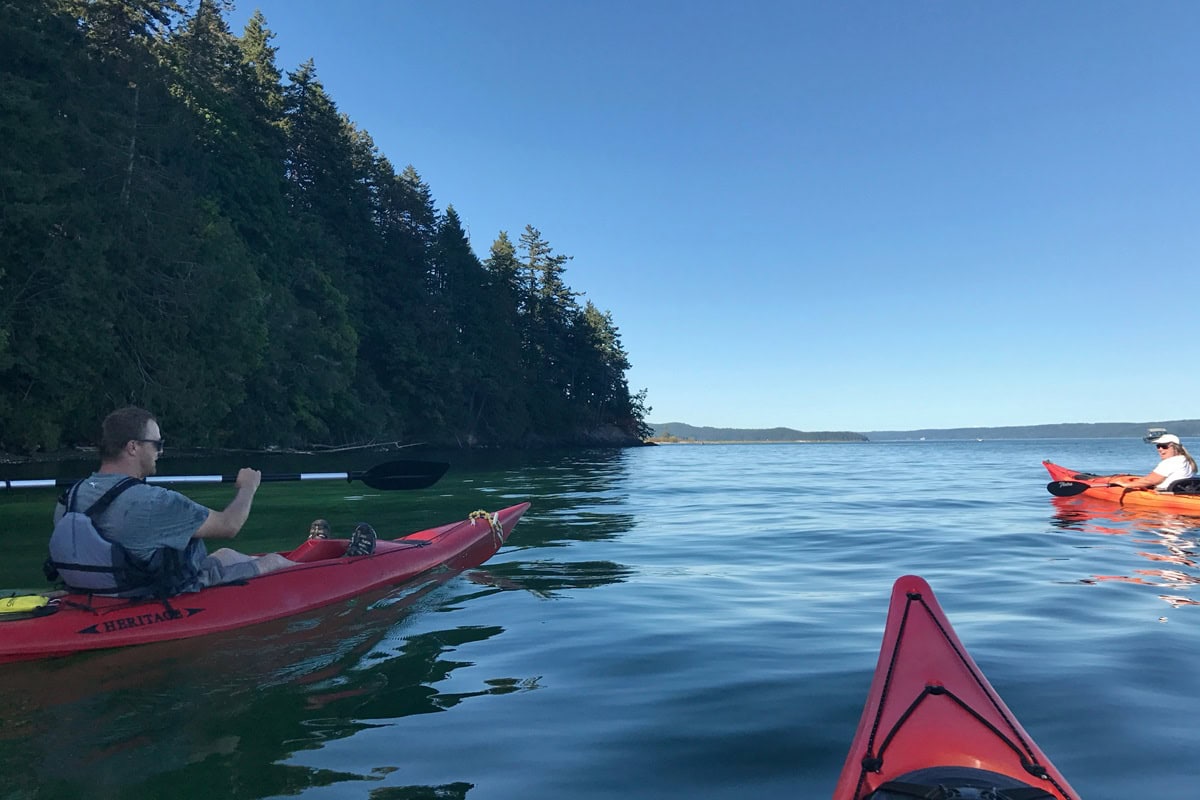
We love RV camping at Dosewallips State Park, where salmon return to spawn each fall. On a kayaking tour from Brinnon, we encountered a massive herd of elk — an experience I’ll never forget.
Near Quilcene, you can hike or drive up Mount Walker for sweeping views of Hood Canal, the Olympic Mountains, and, on clear days, Mount Rainier, Mount Baker, and even Mount St. Helens.
Don’t Miss
- Mount Ellinor hike for sweeping views
- Hama Hama Oyster Saloon
- Murhut Falls swimming hole
Travel Tip
The Staircase area of Olympic National Park was affected by the 2025 Bear Gulch Fire. Check recent trip reports for photos of current conditions, along with NPS updates on trail closures before visiting.
24. Lake Chelan & Stehekin
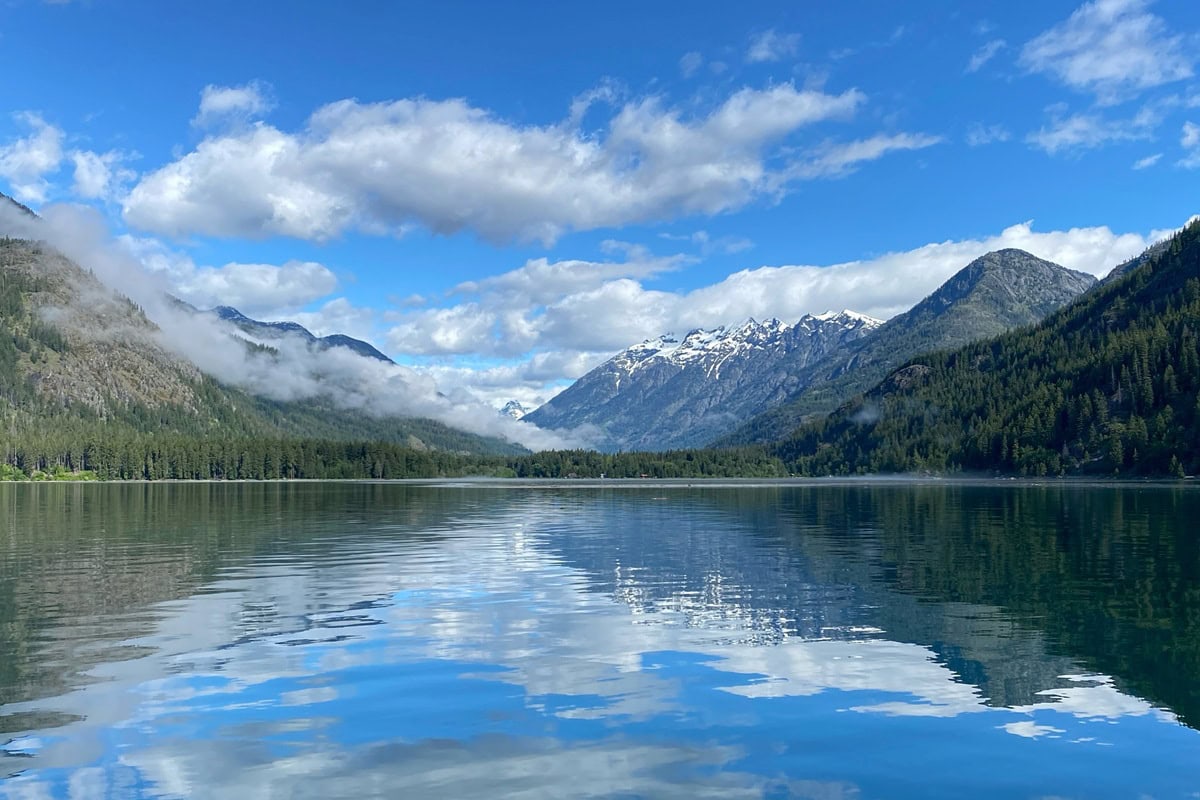
Lake Chelan is where so many of my childhood friends and I vacationed in the summer. I have a vivid memory from my teenage years of an encounter I had while swimming next to a massive trout.
The lake stretches more than 50 miles into the Cascade Mountains.
But what makes Lake Chelan truly extraordinary is the opportunity to take a boat ride to Stehekin, a remote community at the northern end of the lake that isn’t accessible by road.
The journey takes you into the North Cascades, where you can explore camp, hike, and kayak on the part of the lake that’s quieter than the busy resort town of Chelan.
Don’t Miss
- Swimming and boating on Lake Chelan
- Hiking the Stehekin Valley
Travel Tip
The Lake Chelan Boat Co. and Stehekin Ferry offer different departure points and schedules, so plan your ferry transportation before booking the rest of your activities.
25. Columbia River Gorge
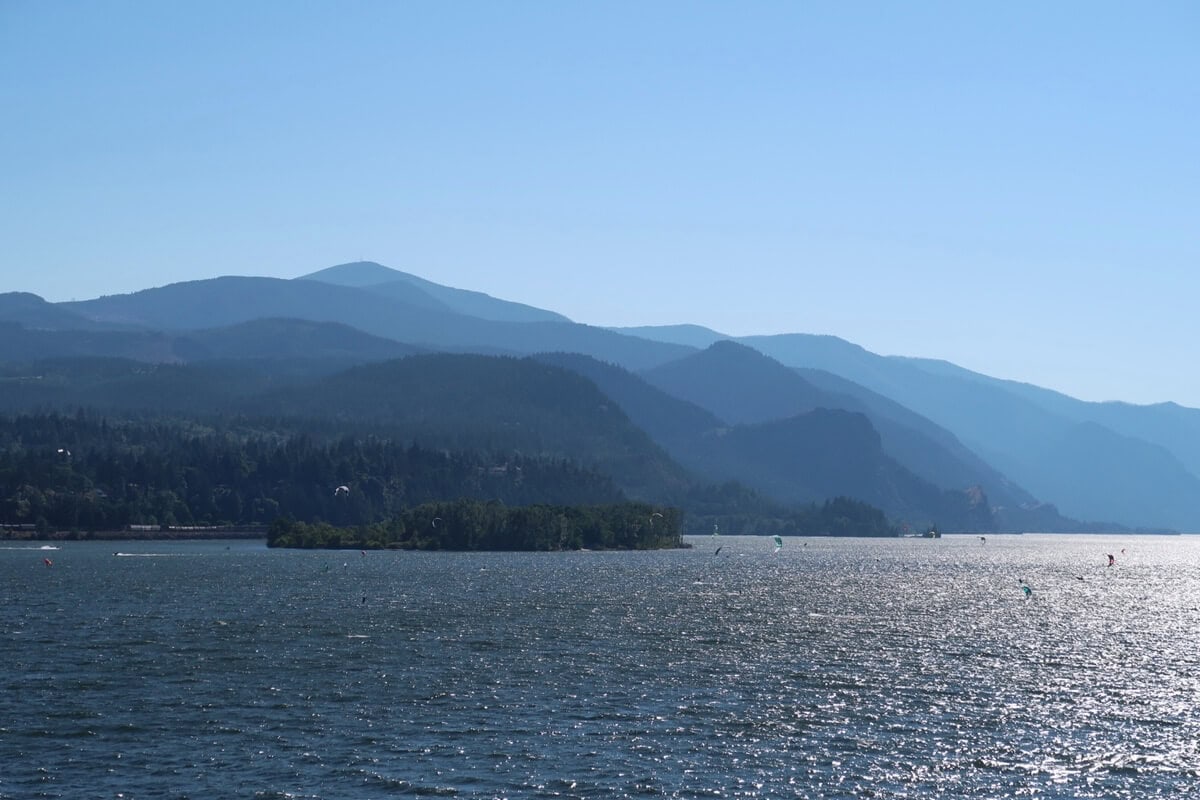
The Columbia River Gorge is one of Washington’s most dramatic landscapes, where the Columbia River cuts through the Cascade Mountains beneath towering cliffs, forested hillsides, and waterfalls.
What makes the Gorge such an interesting road trip is how much the scenery changes as you travel east. Lush forests give way to open hillsides, grasslands, and sweeping views of the river winding between Washington and Oregon.
I’ll never forget how amazed I was the first time I saw so many windsurfers out on the Columbia River between White Salmon and Hood River. From the Washington side, Mount Hood rose in the background.
Don’t Miss
- Hiking Beacon Rock for river views
- Waterfalls along the Hamilton Mountain Trail
- Panoramic views from Cape Horn
- Spring wildflowers on the Dog Mountain Trail
Travel Tip
The Washington side of the Gorge is appealing for hiking and river viewpoints, while the Oregon side offers many of the area’s waterfalls, including Multnomah Falls. Skamania is a convenient base for exploring both sides, and you can even stay in a treehouse there.
How to Choose Which Washington Attractions to Visit
Washington is a big state, and the distances between its most popular attractions are often greater than first-time visitors expect.
- With 3 – 4 full days, I tell trip planning clients to focus on one region, especially if they’re traveling to the Olympic Peninsula.
- With 5 – 6 full days, combining nearby regions, like Leavenworth and the North Cascades, starts to make sense.
The season matters, too. Many high-elevation trails and mountain roads aren’t accessible until summer, while coastal destinations and lower-elevation attractions are generally accessible throughout the year.
Before finalizing your itinerary, look at the driving distances between your chosen destinations and consider how much time you’ll actually have to explore them.
Planning Your Washington State Vacation
Some of my favorite experiences in Washington have happened when I slowed down — spending a few extra hours in Leavenworth before heading home to stroll Waterfront Park, or taking an afternoon to walk the entire length of Second Beach.
Those are the kinds of experiences that make a Washington vacation memorable, and they’re easy to miss when your itinerary is packed with too many destinations.
If you’re not sure where to start, I offer custom Washington State trip consultations to help you choose destinations, plan a realistic route, and make the most of your time here.
